Table of Contents
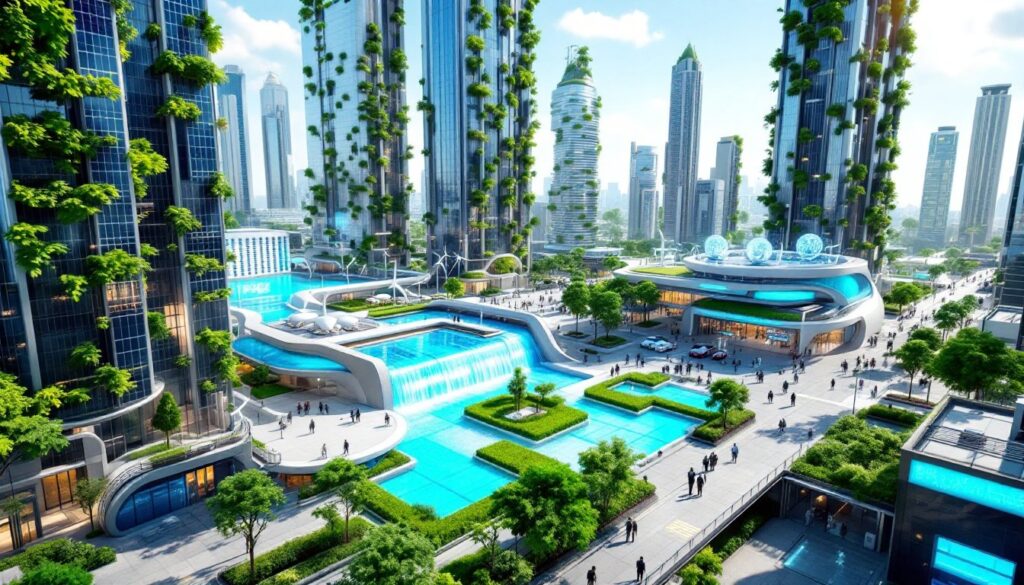
ToggleIn a world where the planet’s health hangs by a thread, sustainable technology swoops in like a superhero, cape flapping in the wind. From solar panels that soak up the sun’s rays to wind turbines that dance with the breeze, these innovations aren’t just saving the Earth—they’re making it a cooler place to live. Who knew going green could be this stylish?
Overview of Sustainable Technology
Sustainable technology encompasses innovations designed to promote environmental health and efficiency. It includes renewable energy sources, efficient waste management systems, and sustainable agriculture practices. Solar energy systems, for instance, harness sunlight to produce electricity, significantly reducing greenhouse gas emissions compared to fossil fuels.
Wind energy represents another example of sustainable technology, utilizing wind turbines to generate clean power. These turbines convert kinetic energy from wind into electricity, fostering sustainable power generation across various landscapes. Energy-efficient appliances also play a key role in conserving resources. They consume less energy while maintaining performance, resulting in lower utility bills and reduced emissions.
Water conservation technologies, including rainwater harvesting systems and advanced irrigation methods, contribute to sustainable practices. These systems collect and utilize rainwater, minimizing the demand on municipal water supplies. Urban environments benefit from green building technologies, such as energy-efficient designs and sustainable materials, which reduce environmental impact throughout the construction process.
Transportation technologies are evolving toward sustainability as well. Electric vehicles, powered by renewable energy sources, help reduce reliance on fossil fuels and decrease air pollution. Similarly, public transit innovations encourage reduced personal vehicle usage, leading to lower carbon footprints in urban areas.
Each of these examples illustrates how sustainable technology integrates environmental responsibility with practical applications, showcasing a commitment to improving overall quality of life. By embracing these technologies, societies can address current environmental challenges while fostering a healthier planet for future generations.
Renewable Energy Solutions
Renewable energy solutions play a crucial role in sustainable technology, offering innovative ways to generate power while minimizing environmental impacts.
Solar Energy Innovations
Solar energy innovations represent a significant advancement in renewable technologies. Photovoltaic cells convert sunlight into electricity with increased efficiency, contributing to reduced reliance on nonrenewable sources. Solar panels now utilize materials that enhance energy capture while reducing manufacturing impacts. Additionally, solar thermal systems provide heating by harnessing the sun’s energy for residential and commercial use. Energy storage solutions, such as batteries, allow for the retention of solar energy, ensuring access during low sunlight periods. Countries like Germany and China lead in solar energy deployment, significantly increasing their renewable energy production footprints.
Wind Power Advancements
Wind power advancements illustrate the growing importance of harnessing wind energy. Modern wind turbines feature larger blades and taller structures, capturing more wind and generating higher electricity yields. In offshore wind farms, turbines benefit from stronger, more consistent winds, resulting in substantial energy production. Emerging technologies, including floating wind farms, expand the viability of wind energy in deeper waters. Moreover, digital technologies optimize turbine performance through predictive maintenance and real-time data analytics, enhancing overall efficiency. The United States and Europe invest heavily in wind power, leading the world in installed capacity and innovation.
Sustainable Transportation
Sustainable transportation focuses on reducing environmental impacts while meeting mobility needs. Key innovations include electric vehicles and improved public transit systems.
Electric Vehicles
Electric vehicles (EVs) play a significant role in reducing greenhouse gas emissions. Many manufacturers, including Tesla and Nissan, produce various EV models, making them increasingly accessible. Charging infrastructure has expanded, with over 100,000 public charging stations in the U.S. alone, encouraging adoption. Studies show that EVs generate significantly lower emissions than traditional gasoline-powered vehicles. Moreover, advancements in battery technology have improved range and efficiency, allowing for longer trips without frequent charging stops.
Public Transit Improvements
Public transit improvements enhance sustainability while providing efficient mobility options. Cities are investing in electric buses, reducing air pollution and reliance on fossil fuels. Light rail systems connect urban areas with little environmental impact, appealing to commuters. Many jurisdictions implement smart transit solutions, utilizing real-time data to optimize routes and schedules. In 2020, public transportation reduced carbon emissions by approximately 45 million tons in the U.S. Enhanced accessibility and affordability further encourage public transit use, decreasing overall traffic congestion.
Green Building Technologies
Green building technologies play a significant role in minimizing environmental impact during construction and operation of buildings. These innovations emphasize energy efficiency and resource conservation.
Energy-Efficient Materials
Energy-efficient materials significantly reduce energy consumption in buildings. Insulation products like cellulose and spray foam, made from recycled materials, help maintain temperature, minimizing heating and cooling costs. High-performance windows reduce heat loss and improve natural lighting, resulting in lower energy usage. Furthermore, sustainable flooring options, such as bamboo or cork, offer durability and aesthetic appeal with a reduced carbon footprint. The use of recycled steel for framing not only lowers environmental impact but also enhances structural integrity. Incorporating these materials allows builders to decrease environmental effects over a lifespan of a building.
Smart Home Systems
Smart home systems enhance energy management by automating controls for heating, cooling, and lighting. These technologies connect appliances and devices to a central hub, promoting efficiency and convenience. Utilizing smart thermostats, like those from Nest and Ecobee, enables optimal temperature management based on occupancy patterns. Smart lighting systems, adjustable through mobile apps, help minimize energy waste. Additionally, water usage monitoring systems promote responsible consumption and leak detection, further conserving resources. Collectively, these innovations contribute to a more sustainable living environment.
Waste Management Innovations
Innovative waste management technologies play a crucial role in promoting sustainability. These solutions help manage waste more efficiently and reduce environmental impacts.
Recycling Technologies
Advanced recycling technologies enhance material recovery and reduce landfill use. Mechanical recycling processes separate materials like plastics, metals, and paper for reuse. Chemical recycling, on the other hand, breaks down complex plastics into their base chemicals, allowing for the production of new materials. Companies such as TerraCycle specialize in hard-to-recycle items, offering unique recycling solutions. Specific examples include using digital platforms that assist consumers in locating local recycling options, increasing participation rates. Data from the Environmental Protection Agency indicates that recycling and composting prevented the release of approximately 186 million metric tons of carbon dioxide equivalent into the air in 2018.
Composting Solutions
Innovative composting solutions improve organic waste management and enrich soil quality. Aerobic composting systems facilitate the breakdown of organic material through controlled airflow, speeding up the decomposition process. Industrial-scale composting facilities also transform food scraps and yard waste into nutrient-rich compost. Households can utilize vermicomposting, employing red worms to accelerate decomposition and produce organic fertilizer. Local governments increasingly support these initiatives by offering workshops and resources for community composting projects. According to the USDA, composting can divert 30-50% of household waste from landfills, significantly reducing methane emissions.
Sustainable technology is reshaping the way society interacts with the environment. By embracing innovations like renewable energy systems and efficient waste management practices, individuals and businesses can contribute to a healthier planet. These technologies not only address pressing environmental challenges but also enhance everyday life through improved efficiency and reduced costs.
As advancements continue to emerge, the potential for sustainable solutions to transform industries and lifestyles grows. The commitment to integrating eco-friendly technologies is essential for ensuring a more sustainable future. Each step taken towards adopting these practices can lead to significant positive impacts on the environment and society as a whole.