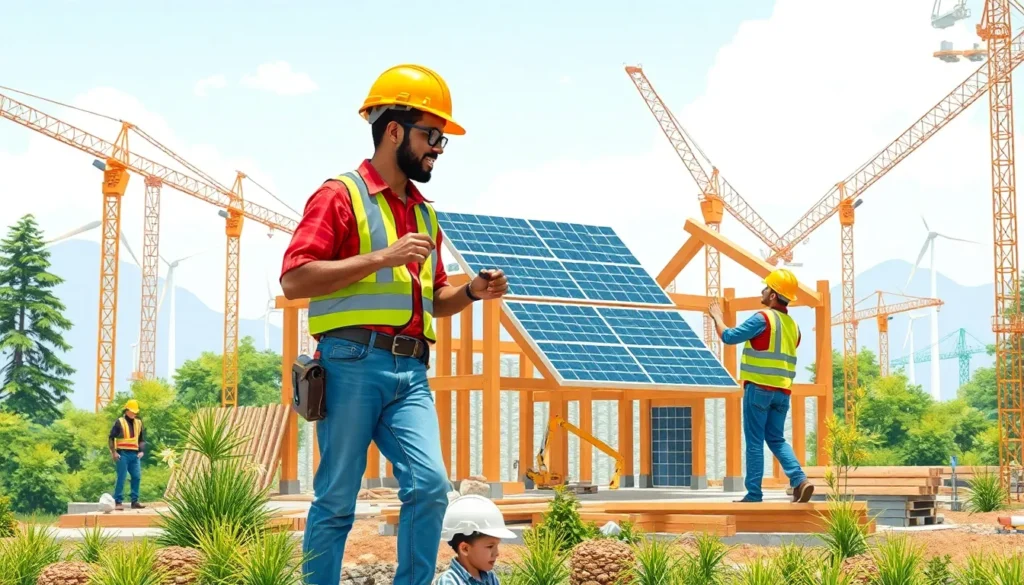
In a world where the only thing growing faster than skyscrapers is climate change, sustainable construction technology steps in like a superhero with a green cape. It’s not just about building structures; it’s about crafting a future where eco-friendliness and innovation go hand in hand. Imagine a construction site where materials are recycled and energy is harnessed from the sun, all while reducing the carbon footprint. Sounds like a dream, right?
Understanding Sustainable Construction Technology
Sustainable construction technology addresses environmental challenges through innovative building practices. This approach promotes eco-friendly methods that reduce harmful impacts on the planet.
Definition and Importance
Sustainable construction technology refers to construction practices that minimize ecological footprints while promoting energy efficiency. This practice plays a crucial role in combating climate change, enhancing resource management, and fostering environmentally responsible development. As industries face growing pressure to reduce carbon emissions, effective use of sustainable technologies encourages better use of resources. Communities benefit from healthier living environments through reduced waste and improved air quality. Significant advancements in this field lead to more resilient structures, less energy consumption, and lower long-term costs.
Key Principles
Several key principles guide sustainable construction technology. Resource efficiency emphasizes reducing waste during the construction process. Renewable energy sources, such as solar panels, decrease reliance on fossil fuels, resulting in reduced carbon emissions. Sustainable materials, like recycled steel or bamboo, offer durable and eco-friendly alternatives. Incorporating smart design enhances energy efficiency, utilizing natural light and ventilation. Additionally, lifecycle assessment evaluates the environmental impacts of materials from production to disposal. Together, these principles create a framework for constructing buildings that respect and enhance the natural environment.
Types of Sustainable Construction Technologies
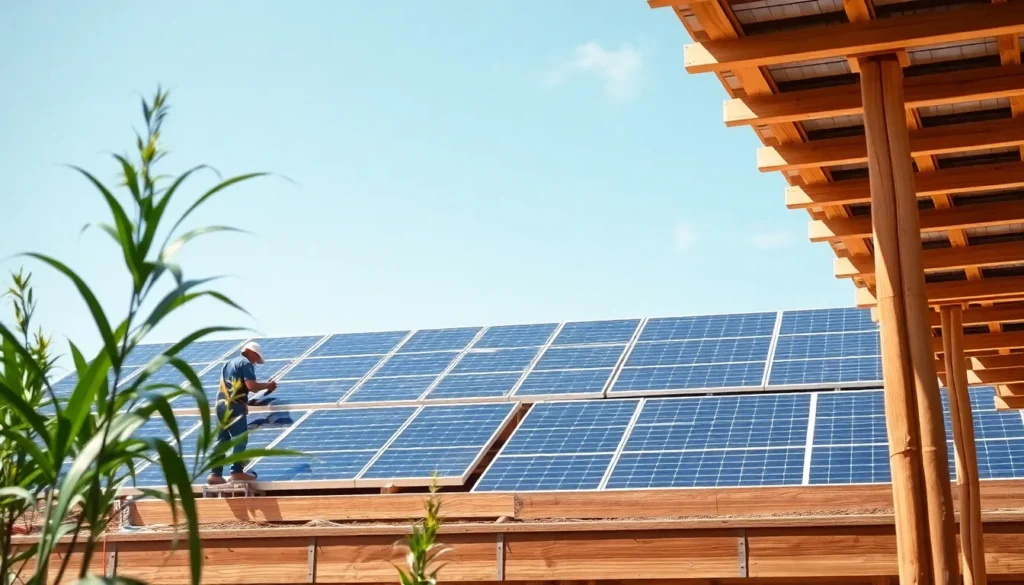
Sustainable construction technologies encompass various innovative practices and materials designed to reduce environmental impact. These technologies facilitate energy efficiency and resource management in building practices.
Renewable Energy Solutions
Solar panels serve as a primary example of renewable energy solutions in construction. Wind turbines effectively harness natural wind energy to power buildings. Geothermal systems utilize heat from the Earth to maintain comfortable indoor temperatures. Implementing energy-efficient lighting and HVAC systems greatly reduces electricity consumption. These renewable energy sources work together to create self-sufficient buildings that minimize reliance on fossil fuels.
Eco-Friendly Materials
Recycled steel offers strength while significantly reducing waste in landfills. Bamboo, known for its rapid growth, acts as a sustainable alternative to traditional timber. From recycled plastic lumber to reclaimed wood, diverse eco-friendly materials contribute to lower environmental footprints. Low-VOC (volatile organic compound) paints improve indoor air quality while minimizing health risks. Using these materials not only promotes sustainability but also supports a circular economy by maximizing resource efficiency.
Benefits of Sustainable Construction Technology
Sustainable construction technology offers extensive benefits that extend beyond mere aesthetics. These advantages can significantly impact the environment and the economy.
Environmental Impact
Sustainable construction practices significantly reduce carbon emissions by utilizing renewable energy sources. This innovation leads to less reliance on fossil fuels, crucial for combating climate change. Eco-friendly materials, such as recycled steel and bamboo, promote resource efficiency and minimize waste. Healthier living environments result from lower exposure to toxins, enhancing occupants’ well-being. Moreover, innovative design strategies optimize energy consumption, leading to lower energy demands. Ultimately, sustainable construction contributes to ecological preservation, ensuring a balanced coexistence with nature.
Economic Advantages
Economic benefits accompany sustainable construction technology, resulting in lower long-term operational costs. Energy-efficient buildings significantly reduce utility expenses by utilizing renewable energy sources, providing savings over time. Increased property values often arise from sustainable features, appealing to environmentally conscious buyers. Government incentives for green construction further enhance financial benefits, encouraging investment in eco-friendly practices. Additionally, the reduced need for materials fosters a circular economy, minimizing costs associated with resource extraction. Overall, these economic advantages promote a sustainable future while securing financial returns for stakeholders.
Challenges in Implementation
Implementing sustainable construction technology faces significant challenges that can hinder progress.
Cost Implications
High initial costs often impede the adoption of sustainable technologies. Sustainable materials and systems can carry a premium price tag, discouraging organizations from investing. Short-term budgeting practices contribute to this issue, as many companies focus on immediate expenses rather than long-term savings. While energy-efficient buildings reduce operational costs, upfront investments in technologies like solar panels or green materials can present obstacles. Financial incentives from government programs mitigate some expenses, encouraging more developers to explore sustainable options. Evaluating the whole-life costs of projects highlights potential savings, promoting a shift toward environmentally responsible construction practices.
Regulatory Hurdles
Complex regulations pose additional challenges to the adoption of sustainable construction technologies. Navigating local codes, building standards, and zoning laws often complicates projects. As regulations continually evolve to accommodate sustainability, staying compliant becomes increasingly demanding. Moreover, some regions lack established guidelines for sustainable building materials and practices, causing confusion among developers. Collaborative efforts between governments and stakeholders can streamline the process, enhancing clarity and efficiency. Engaging with industry organizations helps disseminate best practices, guiding builders through regulatory landscapes.
Future Trends in Sustainable Construction Technology
Sustainable construction technology is evolving rapidly, driven by innovation and regulatory changes. Emerging trends highlight the importance of enhancing eco-friendliness while addressing climate-related challenges.
Innovations to Watch
Smart building materials are gaining traction, offering insulation and energy efficiency. Advancements in biodegradable materials aim to reduce waste overall. Modular construction promotes quicker assembly times with less environmental impact. Additionally, energy storage technologies, such as advanced batteries, enable better utilization of renewable energy sources. Increased reliance on artificial intelligence in project management enhances efficiency and optimizes resource allocation. These innovations contribute to cost savings and enhance the sustainability of construction projects.
Policy Implications
Regulatory frameworks influence the direction of sustainable construction practices significantly. Governments are introducing incentives that promote the use of green technologies, encouraging builders to adopt eco-friendly solutions. Policies that support sustainable zoning and land use play a vital role in shaping the future of building practices. Further, international agreements on climate change impact national policies related to construction, urging adherence to stricter environmental standards. Collaboration between government agencies and industry stakeholders is essential for streamlining regulations and promoting sustainability as a standard practice. The emphasis on policy-driven initiatives highlights the commitment to a greener future in construction.
The shift towards sustainable construction technology is not just a trend but a necessity for a healthier planet. As the construction industry embraces eco-friendly practices and innovative solutions, it paves the way for resilient structures that benefit both the environment and the economy.
By prioritizing renewable energy sources and sustainable materials, stakeholders can significantly reduce their ecological footprints while enhancing property values and operational efficiency.
Collaboration among governments, industry leaders, and communities will be vital in overcoming challenges and driving the adoption of these technologies.
With continued advancements and a commitment to sustainability, the future of construction holds the promise of a greener and more sustainable world.