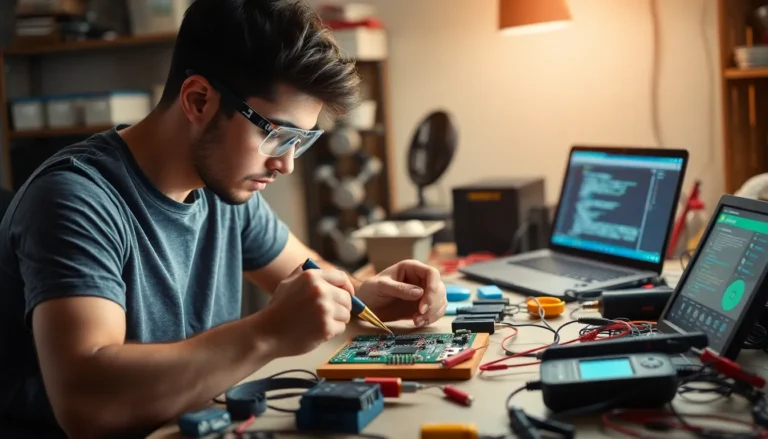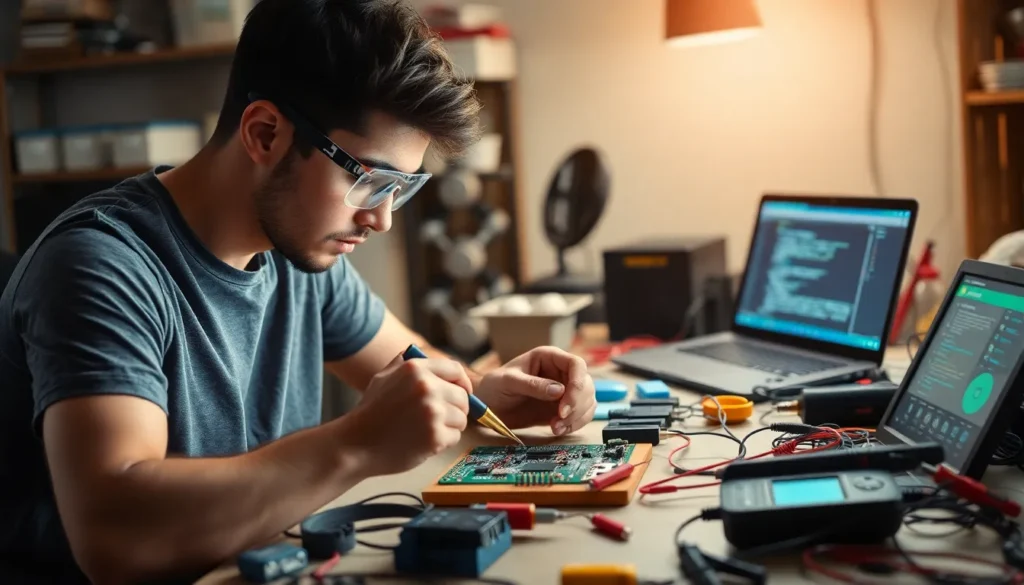
In a world where gadgets reign supreme, building your own can feel like wielding a magic wand. Imagine crafting a device that not only makes life easier but also impresses friends and family. It’s like being the wizard in your own tech kingdom, minus the pointy hat and questionable fashion choices.
Understanding Building Gadgets
Building gadgets involves combining creativity with technical skills. DIY enthusiasts design, assemble, and customize various devices that serve specific purposes. Each gadget can address unique needs, making life easier for the builder and potential users.
Motivation for building gadgets often stems from personal interests or problems to solve. For instance, a person might create a device to automate home tasks. This approach not only improves efficiency but also provides an opportunity to learn new skills in electronics, programming, and design.
Tools and materials play a crucial role in the building process. Common tools include soldering irons, breadboards, and software such as Arduino or Raspberry Pi for coding. Basic components like sensors, motors, and displays allow for endless possibilities in gadget creation. Examples of simple gadgets are weather stations, smart mirrors, and automated planters.
Community resources offer invaluable support to aspiring builders. Online forums, tutorials, and local maker spaces provide knowledge and inspiration. Networking with other hobbyists can lead to collaboration on projects, enhancing learning and creativity.
Understanding the essential principles of circuit design and programming further empowers builders. Familiarity with concepts like resistors, capacitors, and microcontrollers enhances the functionality of gadgets. Each successful project reinforces skills and confidence, fueling interest in more advanced creations.
Learning about safety precautions ensures a secure building environment. Proper handling of tools and materials minimizes risks associated with electronics. By combining creativity, resources, and safety, builders can turn imaginative ideas into functional gadgets.
Essential Tools for Building Gadgets
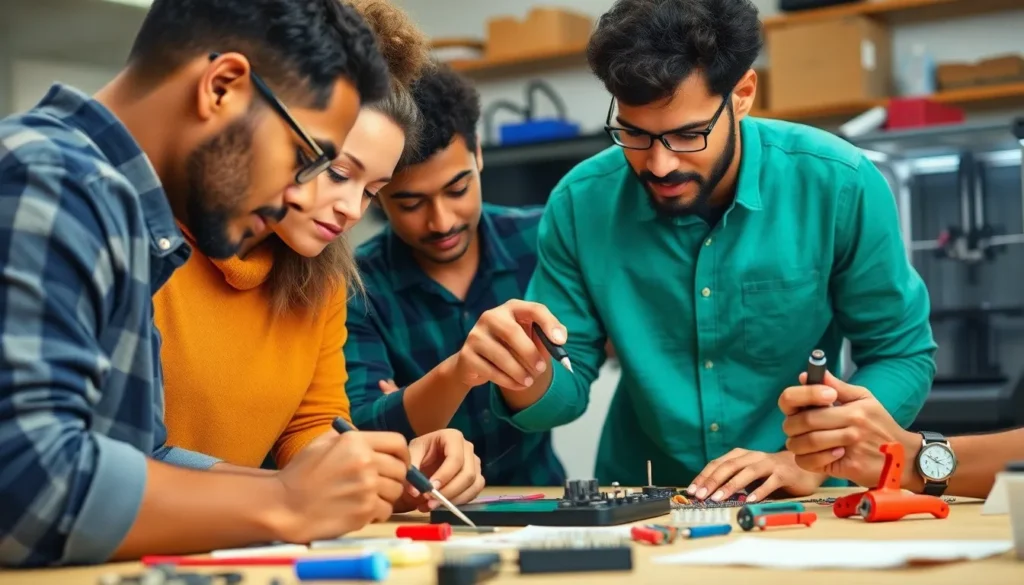
Equipping oneself with the right tools significantly enhances the gadget-building experience. Essential tools range from basic hand tools to advanced machinery, each serving specific functions.
Basic Tools
Screwdrivers come in various sizes and types, ideal for assembling and disassembling components. Pliers assist in gripping and bending wires securely. A soldering iron allows for precise connections between electronic components, which is crucial for functionality. Wire cutters help manage excess wiring, ensuring clean designs. Additionally, a multimeter measures voltage, current, and resistance, helping troubleshoot issues in circuits. Many builders rely on a breadboard for prototyping circuits, providing a simple platform to test ideas before finalizing designs.
Advanced Tools
Drones enable builders to experiment with aerial gadgets, adding technology to creative designs. 3D printers allow the fabrication of custom parts, providing endless possibilities for unique gadget enclosures. Oscilloscopes visualize electrical signals, offering insights into circuit performance. Laser cutters facilitate precise fabrication, perfect for intricate designs in materials like wood or acrylic. Programmable logic controllers enhance automation in gadgets, allowing for complex operations without extensive programming. Virtual reality software helps simulate gadget designs, allowing for visualization and testing of concepts before physical production.
Step-by-Step Guide to Building Gadgets
Building gadgets requires a strategic approach. Understanding the steps makes the process smoother and more enjoyable.
Planning Your Project
Identifying the project’s aim starts the planning process. Listing goals, features, and requirements clarifies the design. Sketching a rough diagram helps visualize the gadget. Consider the intended users and how they’ll interact with the device. Research similar projects provides inspiration and identifies common challenges. Setting a timeline ensures steady progress. Budgeting for materials and tools prevents overspending. Documenting the plan serves as a roadmap throughout the building journey. Staying flexible allows for adjustments along the way.
Gathering Materials
Sourcing materials takes time and effort, but it’s crucial for a successful build. Begin with essential components, such as microcontrollers, sensors, and wires. Online retailers offer a wide range of options for electronic components. Local electronics stores often stock popular items, making them convenient for urgent needs. Consider repurposing household items like old gadgets or furniture for unique elements. Stocking basic tools, including soldering supplies and multimeters, is necessary for assembly and troubleshooting. Joining maker spaces provides access to shared resources and expert advice. Ensuring all materials are ready helps streamline the building process.
Tips for Successful Gadget Building
Select a clear project goal to guide all stages of gadget creation. Identifying specific features and requirements shapes the design process effectively. Create a rough sketch that visualizes the end product, making it easier to transition from concept to creation.
Researching similar projects uncovers valuable insights and helps avoid common pitfalls. Engaging with online forums or local maker spaces exposes builders to different perspectives. Setting a realistic timeline ensures manageable progress and keeps motivation high throughout the project.
Gather materials meticulously, starting with essential components such as microcontrollers and sensors. Considering repurposing household items adds a unique element while reducing costs. Organizing tools and components in advance streamlines the assembly process.
Prioritize safety when building gadgets to prevent accidents. Wearing safety goggles and using proper techniques minimizes risks. Familiarizing oneself with the specifications of each component maximizes effectiveness and longevity.
Test gadgets continuously throughout the building process. Conducting small tests ensures each part functions as intended before full assembly. Iterating designs based on test results promotes improvement and enhances final outcomes.
Collaborate with peers or seek advice from experienced builders during challenging phases. Sharing knowledge and troubleshooting together broadens understanding and fosters creativity. Celebrate achievements, no matter how small, to maintain enthusiasm and visualize progress.
Track progress using a journal or checklist, helping to monitor milestones and stay organized. Engage with the gadget-building community to exchange ideas and seek inspiration for future projects. Embracing flexibility throughout the process allows for adaptation when encountering unexpected challenges.
Building gadgets offers a unique blend of creativity and technical skill that empowers individuals to transform their ideas into reality. The journey fosters personal growth and enhances problem-solving abilities while providing a sense of accomplishment. With the right tools and resources anyone can embark on this exciting adventure.
Engaging with the maker community further enriches the experience by providing support and inspiration. As builders experiment and innovate they not only create functional devices but also discover new passions and skills. Embracing this hands-on approach to technology opens doors to endless possibilities and a deeper understanding of the digital world.