As the world grapples with climate change and dwindling fossil fuel reserves, the shift towards alternative energy sources has never been more crucial. These renewable options offer sustainable solutions that not only reduce carbon footprints but also promote energy independence. From solar and wind to geothermal and hydroelectric power, the possibilities are vast and varied.
Exploring alternative energy sources reveals innovative technologies and practices that can reshape the future of energy consumption. They promise cleaner air and a healthier planet while addressing the growing demand for energy in an ever-evolving landscape. Understanding these alternatives is essential for anyone looking to make informed choices about energy use and contribute to a sustainable future.
Overview of Alternative Energy Sources
Alternative energy sources play a crucial role in addressing concerns related to climate change and finite fossil fuel reserves. These sources generate power through natural processes, reducing reliance on carbon-intensive resources.
Solar Energy
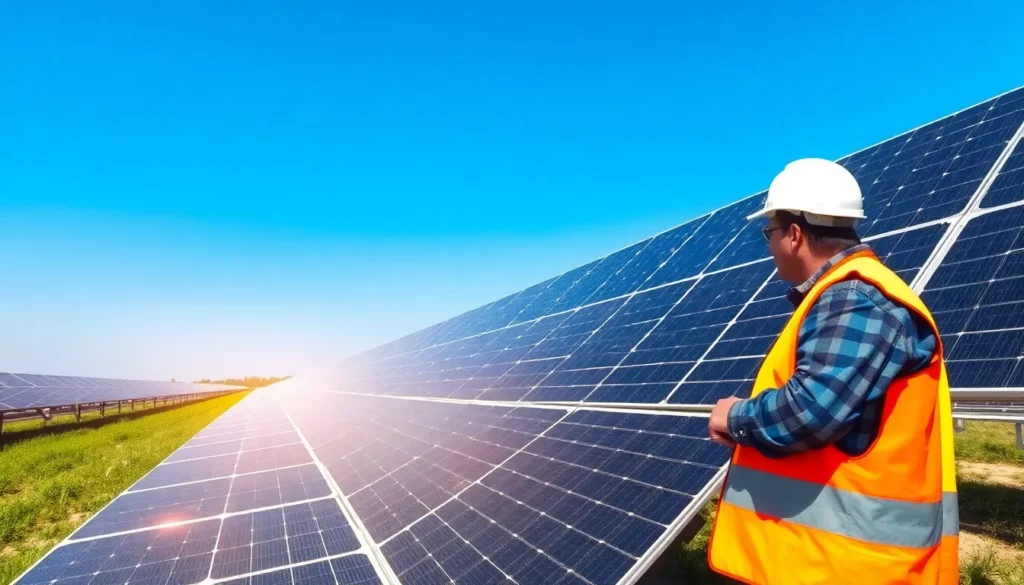
Solar energy harnesses sunlight using photovoltaic cells or solar thermal systems. It provides governments and businesses with an effective way to generate electricity. In 2022, solar accounted for about 27% of new electricity generation capacity in the United States.
Wind Energy
Wind energy captures kinetic energy from wind using turbines. Wind farms, both onshore and offshore, contribute significantly to energy production. By 2022, wind energy represented approximately 8.4% of total electricity generation in the United States, showcasing its increasing importance.
Geothermal Energy
Geothermal energy derives heat from beneath the Earth’s surface. It is mainly utilized for electricity generation and direct heating applications. The U.S. has over 3,700 megawatts of installed geothermal capacity, ranking as the largest producer of geothermal energy worldwide.
Hydroelectric Energy
Hydroelectric energy generates electricity by utilizing flowing water. Dams or water reservoirs control water flow to turbines, producing power. In 2021, hydroelectric power contributed roughly 31% of renewable electricity generation in the United States.
Biomass Energy
Biomass energy converts organic materials, like plant matter and waste, into usable energy. This process involves combustion or fermentation to create electricity or biofuels. Biomass accounted for approximately 5% of the total U.S. energy consumption as of 2021.
Ocean Energy
Ocean energy exploits marine resources, including tidal and wave energy. Although still in the developmental stage, it holds significant potential for future energy production. Current research and pilot projects aim to enhance the efficiency and feasibility of this resource.
Exploring these alternative energy sources promotes a sustainable energy landscape. Their integration into the global energy mix can significantly reduce greenhouse gas emissions and cultivate energy independence.
Types of Alternative Energy Sources
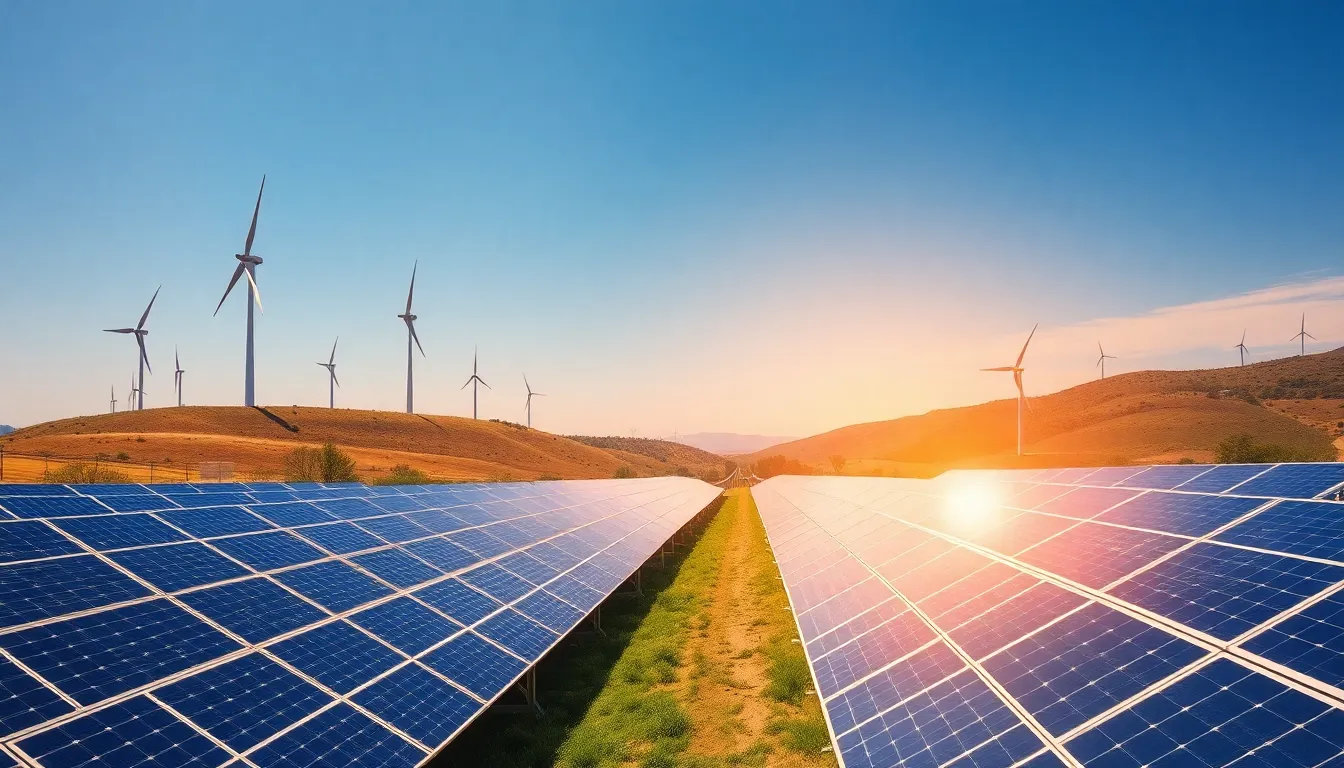
Alternative energy sources play a pivotal role in addressing energy demands while mitigating environmental impact. Key types include solar, wind, hydropower, biomass, and geothermal energy.
Solar Energy
Solar energy harnesses sunlight through photovoltaic cells or solar thermal systems. It produced around 27% of new electricity generation capacity in the U.S. in 2022. The average cost of solar energy systems has decreased by over 70% since 2010, making it a cost-effective option for homeowners and businesses. Solar panels can generate electricity even on cloudy days, contributing to grid stability.
Wind Energy
Wind energy captures kinetic energy from air movement using wind turbines. It contributed approximately 8.4% to total electricity generation in the U.S. in 2022. Turbines can be installed onshore or offshore, maximizing efficiency based on location. The U.S. wind energy sector saw growth of about 10% in capacity in 2021, reflecting ongoing investment and development.
Hydropower
Hydropower generates electricity through the movement of flowing water, primarily using dams or run-of-river systems. In 2021, it accounted for roughly 31% of all renewable electricity generation in the U.S. Hydropower systems provide consistent and reliable energy, often acting as a baseload power source. The U.S. has over 90,000 dams, many of which produce hydropower.
Biomass Energy
Biomass energy derives from organic materials, such as plants and animal waste, converted into usable energy. It represented approximately 5% of total U.S. energy consumption as of 2021. Biomass can be burned directly for heat or processed into biofuels like ethanol and biodiesel. This energy source supports waste management efforts and promotes local agricultural economies.
Geothermal Energy
Geothermal energy harnesses heat from the Earth’s interior to generate electricity and provide direct heating. As the largest global producer, the U.S. boasts over 3,700 megawatts of installed geothermal capacity. Geothermal plants can operate continuously, providing a stable and reliable power supply. Regions with volcanic activity or hot springs are particularly suitable for geothermal development.
Benefits of Alternative Energy Sources
Alternative energy sources provide significant advantages, particularly in environmental protection and economic growth. Their integration fosters a cleaner and more sustainable energy landscape.
Environmental Impact
Alternative energy sources significantly reduce greenhouse gas emissions, contributing to improved air quality. Solar energy, for instance, emits zero carbon during operation. Wind energy also produces minimal emissions, preventing air pollution. Hydropower, while dependent on water flow, maintains low emissions compared to fossil fuels. Additionally, transitioning to these energy sources aids biodiversity conservation by minimizing habitat destruction associated with traditional energy extraction methods.
Economic Advantages
Alternative energy sources create job opportunities across various sectors, from installation to maintenance. The solar industry employed over 250,000 workers in the U.S. in 2021, reflecting rapid sector growth. Wind energy has similarly expanded job markets, supporting both manufacturing and skilled labor.
Furthermore, alternative energy often leads to lower energy costs. As technology advances, the price of solar panels has decreased by more than 80% since 2010. Wind energy has also seen cost reductions, making it one of the most affordable energy sources. The investment in these sectors stimulates local economies and promotes energy independence, reducing reliance on imported fuels.
Challenges Facing Alternative Energy Sources
Alternative energy sources face notable challenges that impact their implementation and effectiveness. These challenges primarily revolve around technological limitations and regulatory hurdles.
Technological Limitations
Technological limitations hinder the widespread adoption of alternative energy sources. Energy storage remains a critical issue; current battery technologies often lack sufficient capacity to store excess energy generated during peak production. For instance, lithium-ion batteries dominate the market but struggle with efficiency and longevity. Grid integration poses another challenge, as traditional power grids frequently require significant upgrades to accommodate decentralized energy sources. Additionally, advanced technologies for solar panels and wind turbines remain expensive, slowing down deployment. Reliability concerns further exacerbate the situation; intermittent energy production from sources like solar and wind leads to inconsistent supply, which complicates energy management.
Regulatory Hurdles
Regulatory hurdles also complicate the expansion of alternative energy sources. Complex policies and varying regulations across states create barriers that can discourage investment. For example, complicated permitting processes for new energy projects slow development timelines and create uncertainty. Financial incentives, such as tax credits and subsidies, often require extensive paperwork, which can deter smaller developers. Furthermore, existing laws may not adequately address emerging technologies; this can result in outdated frameworks that don’t support innovation. Navigating these regulatory landscapes is essential for seamless integration and growth of alternative energy solutions.
Future of Alternative Energy Sources
The future of alternative energy sources hinges on continued technological advancements and robust policy support. Innovations in energy storage play a pivotal role, addressing current limitations and increasing reliability. Enhanced battery technologies, such as solid-state batteries, promise higher capacities and faster charging times, meeting the growing demand for renewable energy integration.
Investment in smart grid technology also stands critical for optimizing energy distribution. Smart grids enable real-time data collection and transmission, ensuring efficient energy use across various sources. This technology promotes seamless integration of decentralized energy production, enhancing system resilience against fluctuations in energy supply.
Emerging trends in alternative energy exploration highlight ocean energy’s potential. Tidal and wave energy technologies are in developmental stages but could contribute substantially to future energy needs. Research indicates that ocean energy could meet a significant portion of global electricity demands, promoting diversification in energy portfolios.
Government and private sector initiatives remain vital for fostering growth in alternative energy markets. Policies favoring renewable energy incentives attract investment and encourage research. Collaborations between governmental bodies, non-profit organizations, and the private sector spearhead innovative projects, paving the way for sustainable energy solutions.
Environmental awareness continues to fuel the transition toward renewable resources. Public support for cleaner energy options drives demand for sustainable practices within industries. This shift influences energy companies to prioritize renewable technologies, improving their competitive edge in the global market.
The global commitment to achieving net-zero emissions by mid-century challenges traditional energy paradigms. A multi-faceted approach involving various renewable sources equips nations to tackle climate change impacts effectively. Future advancements will likely focus on synergy among different energy sources, maximizing efficiency and reducing dependence on fossil fuels.
Continued research into alternative energy solutions contributes to achieving energy independence. As nations invest in indigenous energy resources, they lessen reliance on imported fuels, enhancing economic stability. Transitioning to alternative energy sources fosters resilience against supply chain disruptions and geopolitical tensions.
Strategic education and workforce training initiatives will prepare the next generation of energy professionals. Developing skills in renewable energy technologies ensures a capable workforce ready to meet future energy challenges. The educational sector can play a crucial role in equipping students with essential knowledge and skills for a sustainable energy career path.
Collaboration across sectors, innovation in technologies, and a committed workforce create a promising landscape for alternative energy sources. Stakeholders’ engagement is essential for building a sustainable energy future.
The transition to alternative energy sources is not just a necessity but an opportunity for a sustainable future. As innovations continue to emerge and policies evolve, the potential for renewable energy to reshape the energy landscape becomes increasingly evident. By embracing solar, wind, hydro, and other alternatives, society can reduce its reliance on fossil fuels while promoting environmental health and economic growth.
Investing in these technologies and supporting initiatives that foster their development will pave the way for a cleaner, more resilient energy system. The commitment to exploring diverse energy solutions ensures that the future remains bright and sustainable for generations to come.