
In a world increasingly aware of environmental challenges, eco-tech emerges as a beacon of hope and innovation. This fusion of technology and sustainability is transforming how individuals and businesses interact with the planet. From renewable energy solutions to smart waste management systems, eco-tech is reshaping industries and lifestyles alike.
As society seeks to balance progress with ecological responsibility, eco-tech offers practical tools that not only reduce carbon footprints but also enhance efficiency. By harnessing the power of cutting-edge technology, it’s possible to create a greener future without sacrificing convenience or comfort. Dive into the world of eco-tech and discover how these advancements are paving the way for a sustainable tomorrow.
What Is Eco-Tech?
Eco-tech refers to technology designed to improve environmental sustainability. It encompasses a wide range of innovations aimed at reducing ecological impact and promoting renewable resources. Examples of eco-tech include solar panels, energy-efficient appliances, and electric vehicles.
Eco-tech also integrates software solutions, such as smart grids and energy management systems, which optimize energy use and minimize waste. These systems allow consumers and businesses to monitor resource consumption, leading to more informed decisions and reduced environmental footprints.
Innovations in eco-tech not only address environmental concerns but also enhance efficiencies in various sectors. The agricultural industry benefits from precision farming tools that optimize resource use, while the construction industry utilizes sustainable materials and smart designs to lower energy consumption. By embracing these technologies, industries can contribute to a more sustainable future.
Benefits of Eco-Tech
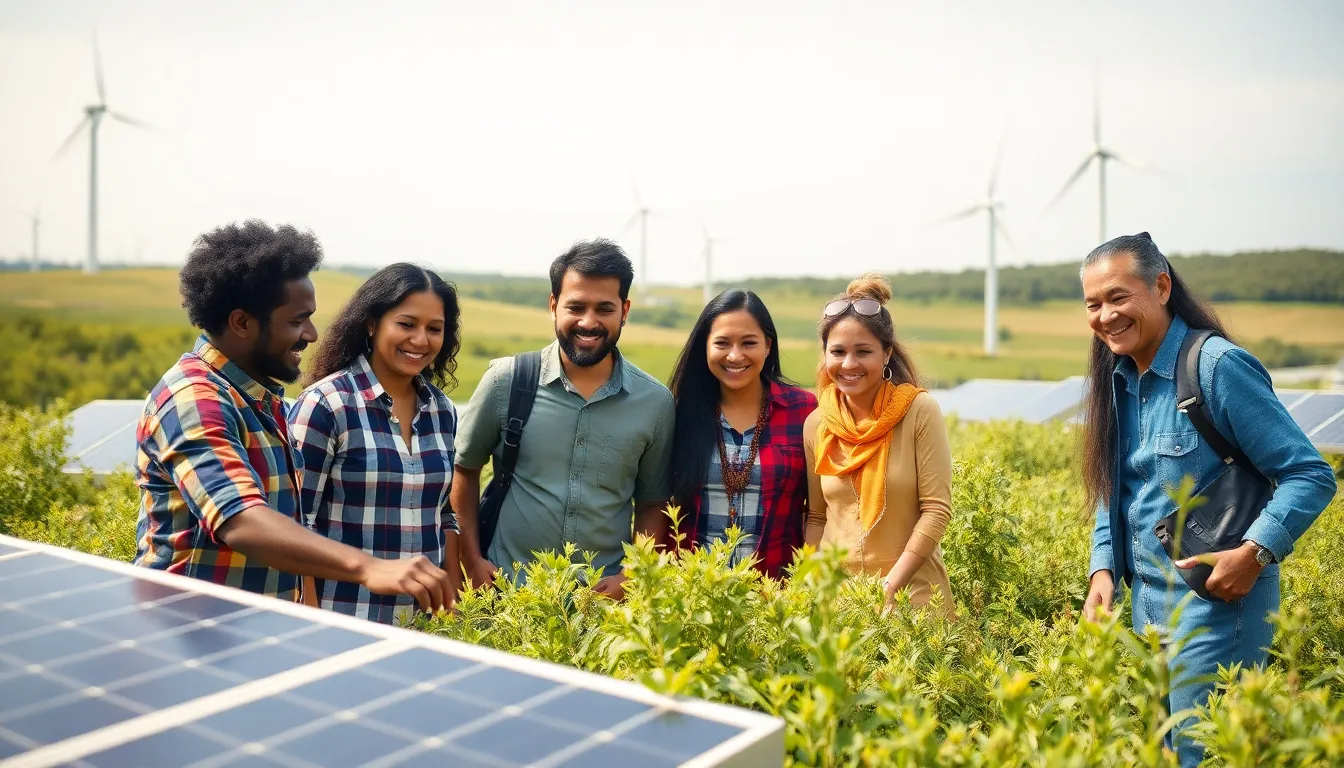
Eco-tech provides significant advantages across environmental, economic, and social dimensions. Its transformative impact shapes a sustainable future by integrating advanced technologies with environmental stewardship.
Environmental Impact
Eco-tech innovations directly reduce ecological footprints. Renewable energy sources, like solar and wind, cut reliance on fossil fuels, resulting in lower greenhouse gas emissions. Efficient waste management systems decrease landfill contributions and enhance recycling rates. For instance, smart waste separation technologies improve resource recovery, while energy-efficient products reduce power consumption. Together, these advancements protect ecosystems and promote biodiversity, creating a healthier environment.
Economic Advantages
Eco-tech offers substantial economic benefits. Investment in renewable energy leads to job creation in manufacturing, installation, and maintenance sectors, driving local economies forward. Cost savings emerge from energy-efficient technologies, leading to lower utility bills for households and businesses. Furthermore, sustainable practices attract environmentally conscious consumers, enhancing market competitiveness. For example, green certifications can increase property values and boost sales, illustrating that eco-tech supports both profitability and sustainability.
Types of Eco-Tech Solutions
Eco-tech solutions encompass a variety of innovations that enhance environmental sustainability. These solutions integrate advanced technologies to reduce ecological impacts across different sectors.
Renewable Energy Technologies
Renewable energy technologies harness resources like sunlight, wind, and water to generate clean power. Solar panels convert sunlight directly into electricity, while wind turbines capture wind energy to produce power. Hydroelectric systems utilize flowing water to generate energy, providing a steady and reliable source. Advancements in energy storage, such as lithium-ion batteries, improve the efficiency of these technologies by storing excess energy for later use. Collectively, these solutions significantly lower greenhouse gas emissions compared to traditional fossil fuels.
Sustainable Agriculture Practices
Sustainable agriculture practices promote eco-friendly farming methods that enhance food production while minimizing environmental impact. Techniques like precision farming utilize data analytics and technology to optimize resource use, reducing waste and increasing yields. Crop rotation and organic farming methods enhance soil health and biodiversity. Additionally, vertical farming systems maximize space and reduce the need for pesticides and water. These practices not only sustain food supplies but also improve ecosystem resilience.
Green Building Innovations
Green building innovations focus on creating structures that utilize sustainable materials and energy-efficient designs. Features include energy-efficient windows, insulated walls, and renewable energy systems such as solar roofs. Smart building technologies monitor energy use, optimize heating and cooling, and improve overall efficiency. Certification programs like LEED (Leadership in Energy and Environmental Design) provide frameworks for sustainable building practices, ensuring structures meet strict environmental standards. Such innovations contribute to reduced operational costs and lower environmental footprints.
Challenges Facing Eco-Tech Adoption
Eco-tech faces various challenges that impede its widespread adoption. Key obstacles include technological barriers and policy and regulation issues, which need addressing to maximize eco-tech’s potential.
Technological Barriers
Technological barriers significantly impact eco-tech adoption. High initial costs deter consumers and businesses alike; advanced technologies, like solar panels and smart grids, often require substantial upfront investments. Limited infrastructure further complicates integration; for instance, charging stations for electric vehicles may be insufficient in many regions. Additionally, a lack of interoperability among different eco-tech systems limits their effectiveness, creating challenges in achieving seamless energy management. Compatibility issues hinder users from fully utilizing eco-tech solutions across diverse platforms.
Policy and Regulation Issues
Policy and regulation issues present significant hurdles for eco-tech implementation. Inconsistent regulations across regions create uncertainty, impeding investment in eco-tech innovations. Limited government incentives or subsidies can dissuade businesses from adopting eco-friendly technologies. Regulations that fail to prioritize sustainability may slow down the progress of eco-tech initiatives. Furthermore, bureaucratic red tape can delay the approval process for new eco-tech projects, reducing motivation for stakeholders to engage. Addressing these regulatory challenges is critical for accelerating the adoption of eco-tech solutions.
Future Trends in Eco-Tech
Innovations in eco-tech continue to evolve, showing promising potential for addressing environmental issues. Emerging technologies focus on enhancing sustainability and efficiency across multiple sectors.
Innovations on the Horizon
Breakthroughs in eco-tech are poised to drive significant change. Examples of innovations include:
- Biodegradable Materials: Development of plastics that decompose naturally reduces landfill waste and environmental pollution.
- Advanced Battery Technologies: Innovations in battery storage increase the efficiency of renewable energy systems, facilitating better energy management.
- Smart Agriculture Tools: Use of IoT devices and drones improves crop management, allowing for precision farming that reduces pesticide usage and conserves water.
- Vertical Farming Systems: Implementing urban agriculture in controlled environments maximizes space while minimizing transport emissions and resource consumption.
These innovations indicate a shift towards technology that actively supports and enhances ecological balance.
Predictions for Market Growth
Market analysts expect considerable growth in eco-tech as environmental concerns escalate. Forecasts suggest:
- Renewable Energy Expansion: The global renewable energy market is projected to reach approximately $1.5 trillion by 2025, driven by increased investment in solar and wind technologies.
- Energy-Efficient Appliances Demand: By 2024, demand for energy-efficient products is estimated to grow by 25%, as consumers seek cost savings and sustainability.
- Electric Vehicle Adoption: Electric vehicle sales are predicted to surpass 30 million units annually by 2030, with several countries implementing stricter emissions regulations.
- Sustainable Packaging Market Growth: The sustainable packaging segment is projected to grow at a CAGR of 7.7% through 2026, responding to consumer demand for eco-friendly products.
These predictions reflect a transformative trend towards a more sustainable and technology-driven future.
Eco-tech is paving the way for a sustainable future by integrating innovative technologies with environmental responsibility. As industries continue to evolve and adapt, the potential for eco-tech solutions to transform everyday practices becomes increasingly evident.
The advancements in renewable energy and smart systems not only address pressing ecological issues but also drive economic growth and job creation. By embracing these technologies, society can significantly reduce its carbon footprint while enjoying the benefits of modern conveniences.
Looking ahead, the future of eco-tech holds promising possibilities. With ongoing innovations and a growing commitment to sustainability, the journey toward a greener planet is just beginning.