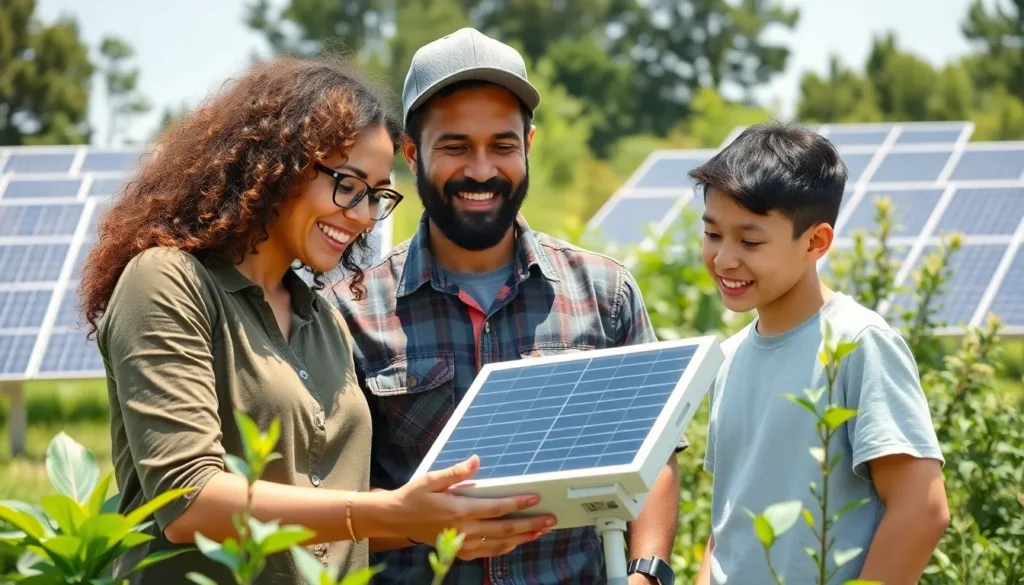
In a world where the latest gadget often feels more like a ticking time bomb for the planet, new sustainable technology is here to flip the script. Imagine a future where your smartphone doesn’t just connect you to friends but also helps save the polar bears. Yes, that’s right! The tech revolution is going green, and it’s about time.
From solar-powered everything to biodegradable materials that don’t just sit in landfills like an unwanted holiday gift, these innovations are reshaping how we live and interact with our environment. Not only do they promise a cleaner planet, but they also make saving the Earth feel as easy as scrolling through cat memes. Dive into the world of sustainable tech and discover how it’s not just a trend but a lifestyle that’s here to stay.
Overview Of New Sustainable Technology
Sustainable technology is rapidly evolving to address pressing environmental challenges. These advancements include solar-powered devices, which harness renewable energy to reduce reliance on fossil fuels. Biodegradable materials are also gaining traction, replacing traditional plastics with eco-friendly alternatives that break down naturally.
Innovative practices in manufacturing emphasize reducing waste and energy consumption. Companies increasingly adopt circular economy principles, where products are designed for reuse and recycling. Electric vehicles play a significant role in reducing greenhouse gas emissions, aiming to lessen the environmental impact of transportation.
Smart home technologies optimize energy usage by monitoring consumption and adjusting settings accordingly. Renewable energy sources, such as wind and solar, contribute significantly to green building designs and energy-efficient infrastructures.
This shift towards sustainable technology reflects growing awareness and responsibility among consumers and businesses. Digital applications promote sustainability by encouraging eco-friendly habits, such as reducing water usage and optimizing waste management. Moreover, farming technologies enhance agricultural practices, utilizing precision farming to minimize resource use while increasing crop yields.
Overall, sustainable technology not only aims to solve current environmental issues but also fosters a culture of sustainability that can influence future generations. These innovations offer hope for a more responsible and environmentally conscious society.
Benefits Of New Sustainable Technology
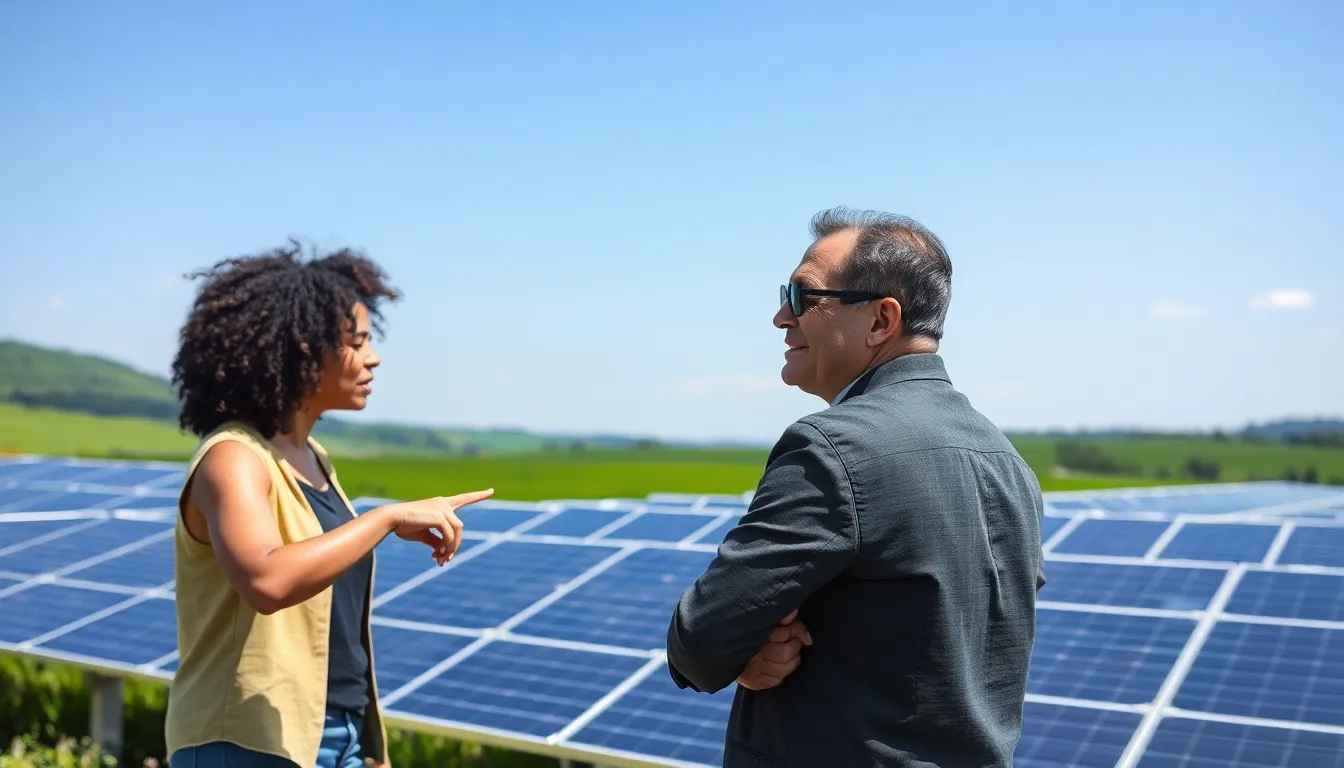
New sustainable technologies offer numerous advantages, specifically in environmental impact and economic benefits. These innovations play a crucial role in shaping a greener future.
Environmental Impact
Sustainable technology significantly reduces carbon footprints. Solar panels harness renewable energy, decreasing reliance on fossil fuels. Biodegradable materials minimize plastic pollution in oceans and landfills. Innovative manufacturing processes limit waste production during device creation. Electric vehicles drastically cut greenhouse gas emissions compared to traditional cars. Smart home systems optimize energy usage, contributing to lower power consumption. Wildlife conservation products help protect endangered species by monitoring their habitats. Overall, these advancements promote a healthier planet while addressing pressing environmental challenges.
Economic Advantages
Investing in sustainable technology generates various economic benefits. Companies embracing renewable resources may see reduced operational costs over time. Sustainable gadgets often attract eco-conscious consumers, boosting market demand. Job creation in green technology sectors promotes economic growth and stimulates local economies. Energy-efficient solutions lower utility bills for businesses and households. Additionally, adopting circular economy principles helps companies innovate, leading to new revenue streams. By prioritizing sustainability, organizations can enhance their brand reputation while fostering long-term economic resilience.
Types Of New Sustainable Technology
Sustainable technology encompasses various innovations designed to minimize environmental impact. This category includes renewable energy solutions and advancements in waste management.
Renewable Energy Solutions
Renewable energy solutions focus on harnessing natural resources to generate power. Solar panels convert sunlight into electricity, reducing reliance on fossil fuels. Wind turbines capture wind energy, providing clean power for homes and businesses. Hydroelectric systems utilize flowing water to generate electricity sustainably. Geothermal systems tap into the Earth’s heat, offering a consistent energy source. These technologies significantly lower carbon emissions and promote energy independence, making them crucial in combating climate change.
Waste Management Innovations
Waste management innovations aim to minimize waste and enhance recycling efforts. Advanced sorting technologies use artificial intelligence to separate recyclables efficiently. Biodegradable materials break down naturally, reducing landfill accumulation. Composting systems transform organic waste into nutrient-rich soil, promoting sustainable agriculture. Zero-waste initiatives encourage companies to rethink packaging and implement reusable alternatives. These advancements minimize pollution and foster a culture of sustainability, contributing to a cleaner environment.
Challenges Facing New Sustainable Technology
New sustainable technologies encounter several challenges that impact their widespread adoption and effectiveness. Regulatory hurdles and public perception significantly shape their development and implementation.
Regulatory Hurdles
Regulatory hurdles pose substantial obstacles for sustainable technology. Compliance with existing regulations often delays product launches, as companies must navigate complex laws and standards. Varied regulations across countries complicate international trade and the scalability of these technologies. Furthermore, innovation sometimes outpaces regulation, resulting in outdated policies that do not effectively accommodate new advancements. Agencies may hesitate to endorse unproven technologies, causing longer approval processes. In some cases, stringent requirements can stifle creativity, limiting the potential for breakthroughs in sustainability.
Public Perception
Public perception significantly influences the acceptance of new sustainable technologies. Many consumers remain skeptical about the effectiveness and reliability of these innovations. Misconceptions about costs and benefits exist, which can discourage investment and use. Additionally, marketing sustainability as a niche rather than a standard practice can result in limited consumer engagement. Trust in the industry plays a crucial role; when organizations fail to demonstrate genuine commitment to sustainability, public skepticism increases. Educating consumers about the tangible benefits of sustainable technologies can enhance acceptance and promote a more environmentally conscious mindset.
Future Trends In New Sustainable Technology
Shifts in consumer preferences drive the development of new sustainable technologies. Increased awareness about environmental issues compels businesses to adopt green practices. Companies invest in innovative solutions that utilize renewable energy, focusing on solar panels, wind turbines, and energy-efficient appliances. Smart home systems are gaining traction, allowing users to monitor and reduce energy consumption from various devices.
Research indicates that advancements in biodegradable materials continue to emerge. Firms explore alternatives to traditional plastics, producing packaging and products that break down more effectively in the environment. Manufacturers that integrate these materials into their offerings position themselves as eco-conscious leaders in the market.
Emerging technologies play a pivotal role in agriculture. Precision farming utilizes data and automation to optimize resource use, leading to enhanced yields and reduced waste. Drones and sensors monitor crop health, allowing farmers to apply fertilizers and water more efficiently. These technologies not only increase productivity but also contribute to sustainability in food production.
Moreover, electric vehicles are set for exponential growth. Increased production of EV models offers consumers a wider selection, complementing available charging infrastructure. Adoption rates suggest that individuals increasingly opt for electric over gasoline-powered vehicles, contributing to lower greenhouse gas emissions and cleaner air.
Collaboration between enterprises and governments aids the advancement of sustainable tech. Public-private partnerships facilitate research and development, enabling innovative projects to flourish. Communities that prioritize sustainability foster environments conducive to growth, encouraging both local and global initiatives.
Investment in sustainable technologies proves beneficial economically. Job creation in the green sector helps drive local economies while catering to environmentally conscious consumer demand. Brands that embrace sustainability often experience enhanced reputations, attracting customers who value ecological responsibility.
By embracing these future trends, society moves toward a more sustainable and resilient economy. Commitment to eco-friendly practices leads to a transformative shift in how industries operate and how communities interact with their environment.
The rise of sustainable technology marks a pivotal moment in the quest for environmental stewardship. As innovations continue to emerge they offer practical solutions to pressing challenges while reshaping consumer habits. The transition to renewable energy and waste management advancements not only enhances ecological health but also drives economic growth.
Embracing these technologies fosters a culture of sustainability that benefits both the planet and society. With ongoing collaboration between businesses and governments the future looks promising. As awareness grows and acceptance increases sustainable technology stands ready to play a crucial role in building a more responsible and resilient world.