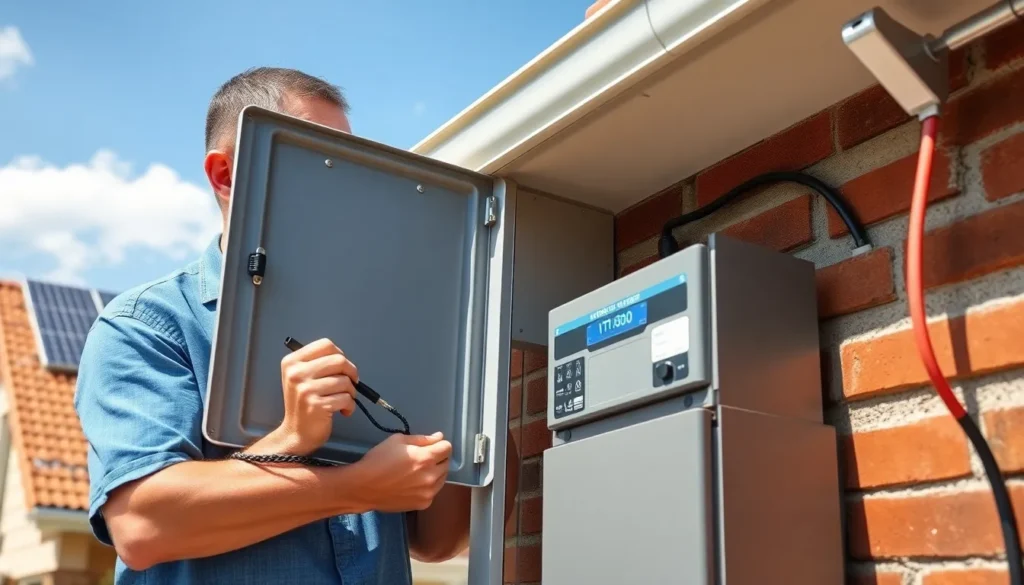
As the world shifts towards sustainable energy solutions, renewable battery storage is emerging as a game-changer in the energy landscape. This technology not only maximizes the efficiency of renewable sources like solar and wind but also addresses the critical challenge of energy intermittency. By storing excess energy generated during peak production times, these batteries ensure a consistent power supply even when the sun isn’t shining or the wind isn’t blowing.
The growing demand for cleaner energy alternatives has sparked significant advancements in battery technology. From residential applications to large-scale grid solutions, renewable battery storage is paving the way for a more resilient and sustainable energy future. Understanding its potential and impact is crucial for anyone interested in the evolution of energy systems and the transition towards a greener planet.
Overview of Renewable Battery Storage
Renewable battery storage represents a critical component in the transition to sustainable energy. This technology enables the capture of excess energy generated by renewable sources, such as solar panels and wind turbines. By storing this surplus energy, battery systems provide backup power during times when renewable energy production drops, ensuring a consistent energy supply.
The integration of renewable battery storage supports grid stability by balancing energy supply and demand. It allows for the efficient use of renewable energy, reducing dependence on fossil fuels and lowering greenhouse gas emissions. Applications range from small-scale home systems to large utility-scale installations, all contributing to a more resilient energy infrastructure.
Advancements in battery technology, including lithium-ion, flow batteries, and solid-state solutions, enhance energy storage capacity and lifespan. Innovations in materials and manufacturing processes lead to increased efficiency and reduced costs. The continued development of renewable battery storage is pivotal for achieving energy independence and meeting the global demand for cleaner energy solutions.
Understanding the dynamics of renewable battery storage informs stakeholders about its role in the future of energy security and environmental sustainability.
Types of Renewable Battery Storage
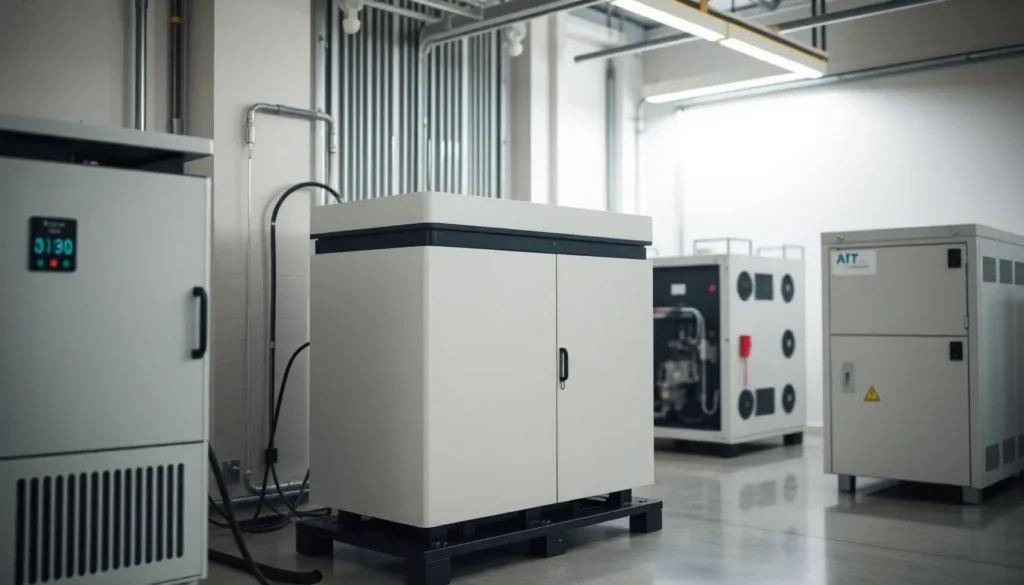
Various types of renewable battery storage systems complement renewable energy sources. Each type offers unique advantages and applications in energy storage.
Lithium-Ion Batteries
Lithium-ion batteries dominate the renewable battery storage market due to their high energy density and efficiency. They provide fast charging and discharging capabilities, making them ideal for applications in residential, commercial, and utility-scale systems. With a lifespan of approximately 10 to 15 years, lithium-ion batteries maintain a relatively low degradation rate. The average energy capacity for residential installations ranges from 5 kWh to 20 kWh, supporting increased grid reliability and renewable energy integration.
Flow Batteries
Flow batteries utilize two electrolytes stored in separate tanks, allowing for scalable energy storage solutions. Their design permits independent scaling of power and energy capacity, making them suitable for large-scale applications. Flow batteries offer long lifespans, typically exceeding 10,000 cycles, and exhibit minimal capacity degradation over time. Commonly used in grid-scale energy storage, flow batteries provide effective load balancing and peak shaving, enhancing overall energy system flexibility.
Zinc-Based Batteries
Zinc-based batteries, including zinc-air and zinc-ion systems, present a cost-effective alternative to traditional battery technologies. These batteries utilize abundant and non-toxic materials, driving down production costs and environmental impact. Zinc-based batteries offer long cycle lives and robust performance across varying temperatures. They’re particularly effective for stationary storage applications, providing a safe and efficient way to store renewable energy for residential and industrial use. Currently, energy capacities for zinc-ion batteries can reach up to 40 kWh, offering promising solutions for large-scale storage needs.
Benefits of Renewable Battery Storage
Renewable battery storage offers significant advantages across various sectors, primarily through its environmental benefits and improvements in energy efficiency.
Environmental Impact
Renewable battery storage reduces reliance on fossil fuels, which curtails greenhouse gas emissions. By storing excess energy produced from renewable sources, it mitigates the need for fossil fuel power plants during low production periods. This transition lowers the carbon footprint associated with energy consumption. Research shows that integrating battery storage into energy systems can achieve up to a 60% reduction in emissions compared to conventional energy sources (International Energy Agency, 2020). Additionally, battery storage enables better management of renewable resources, preserving biodiversity and promoting sustainable practices.
Energy Efficiency
Renewable battery storage enhances energy efficiency by allowing for load shifting, which means storing energy when it’s abundant and releasing it during peak demand. This capability stabilizes energy supply, ensuring consistent access without waste. For example, lithium-ion systems deliver up to 90% round-trip efficiency, optimizing energy retention for later use. Furthermore, the ability to balance the grid improves overall system reliability, reducing energy loss during transmission. Battery systems also support demand response initiatives, helping utilities manage energy consumption and maintain grid stability more effectively.
Challenges in Renewable Battery Storage
Various challenges exist in renewable battery storage, potentially hindering widespread adoption and efficiency. These challenges encompass cost factors and technological limitations.
Cost Factors
Cost factors significantly influence the adoption of renewable battery storage systems. High initial investment remains a barrier, with prices for lithium-ion batteries averaging $137 per kilowatt-hour as of 2023, a decrease from $1,100 in 2010 but still substantial. Flow batteries and zinc-based alternatives also face high manufacturing costs, which can limit market penetration. Additionally, the lifespan and maintenance of these systems affect overall financial viability. While lithium-ion batteries last 10 to 15 years, flow batteries offer longer cycle lives but require more frequent upkeep. Ongoing development aims to reduce costs through innovations in production techniques and materials, yet affordability remains a critical challenge that impacts scalability.
Technological Limitations
Technological limitations pose hurdles in renewable battery storage. Current battery technologies, such as lithium-ion, exhibit issues with energy density and charging times. While lithium-ion cells provide high energy density, their performance can degrade over time, affecting longevity and efficiency. Flow batteries, though beneficial for large-scale applications, currently lack the same energy density, limiting their effectiveness in smaller installations. Furthermore, the energy retention capabilities of existing technologies can vary, leading to inconsistencies in supply. Research into solid-state battery technology shows promise for improvements, yet the commercialization of these advancements requires time and resources. Addressing these limitations is essential for enhancing the reliability and efficiency of battery storage solutions.
Future Trends in Renewable Battery Storage
Emerging trends in renewable battery storage showcase significant innovations and evolving market dynamics that will influence the future of energy systems. This section highlights key developments shaping the landscape of battery storage technology.
Innovations on the Horizon
Innovations are advancing renewable battery storage technologies rapidly. Solid-state batteries represent a promising breakthrough, offering higher energy densities and enhanced safety compared to traditional lithium-ion cells. Some forecast that solid-state batteries could achieve energy densities exceeding 500 Wh/kg, significantly improving storage capabilities and enabling longer-lasting electric vehicles.
Additionally, integration of artificial intelligence (AI) within battery management systems enhances performance and longevity. AI optimizes charging cycles and predicts energy usage patterns, thereby increasing efficiency. Furthermore, advancements in recycling methods for lithium-ion batteries will likely boost sustainability, with goals to recover up to 95% of materials, which reduces waste and lowers costs.
Companies are also developing hybrid systems that combine different battery types, optimizing advantages from various technologies. For instance, pairing lithium-ion batteries with flow batteries can maximize both energy density and cycle life, catering to diverse applications from residential installations to large-scale utilities.
Policy and Market Dynamics
Policy and market dynamics significantly influence the growth of renewable battery storage. Governments worldwide are rolling out ambitious policies that support clean energy initiatives and encourage investments in battery technology. Legislative frameworks now include tax incentives and subsidies, making energy storage solutions more financially viable. As a result, the global battery storage market is projected to exceed $300 billion by 2028, driven by increasing demand for renewable energy integration.
Additionally, utility companies recognize the need for energy storage to stabilize grids and manage peak demand. Strategic partnerships between utilities and battery manufacturers foster more resilient energy infrastructures. As states implement renewable portfolio standards and mandates for clean energy sourcing, battery storage systems will gain further traction.
Market competitiveness is also on the rise, with new entrants disrupting traditional supply chains. This competition encourages innovation and drives down costs, allowing for broader adoption of renewable battery systems. With global efforts aimed at reducing carbon emissions, battery storage technologies will advance, aligning business objectives with environmental goals.
Renewable battery storage stands at the forefront of the energy transition. Its capacity to store excess energy from renewable sources ensures a reliable power supply even during low production periods. As technology advances and costs decrease, the adoption of various battery types will likely accelerate.
The environmental benefits are significant, reducing greenhouse gas emissions and enhancing energy efficiency. With ongoing innovations and supportive policies, renewable battery storage is poised to reshape the energy landscape. This technology will not only support grid stability but also contribute to a sustainable future, making it an essential component of modern energy systems. Embracing these advancements is crucial for achieving energy independence and fostering a cleaner planet.