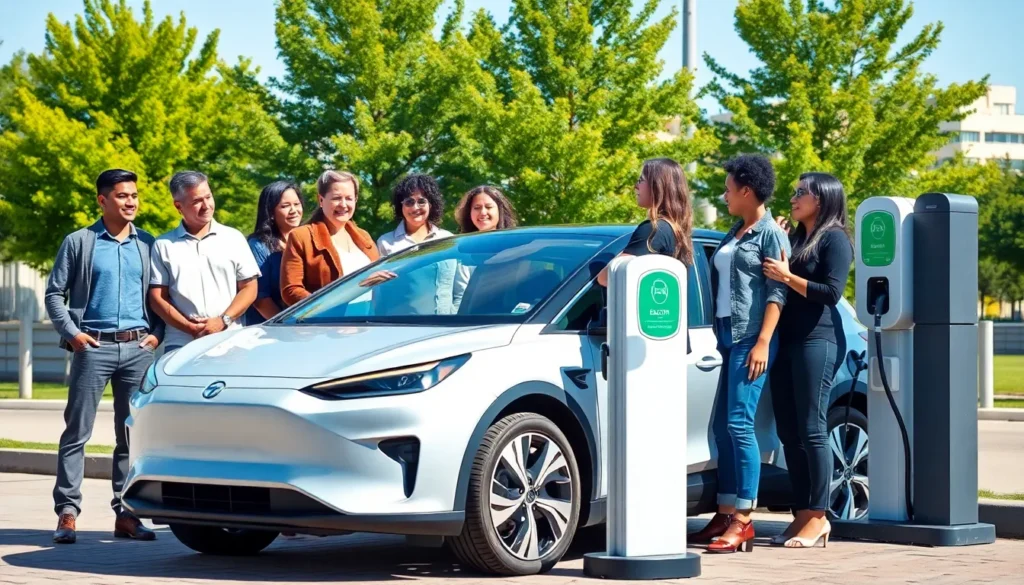
As the world grapples with climate change and dwindling fossil fuel reserves, renewable transport solutions are emerging as a beacon of hope. These innovative alternatives not only promise to reduce carbon emissions but also aim to create a sustainable future for transportation. From electric vehicles to biofuels and hydrogen-powered transport, the landscape is rapidly evolving.
With advancements in technology and growing environmental awareness, cities and countries are investing heavily in renewable transport. This shift is not just about cleaner air; it’s about redefining how people and goods move across the globe. Embracing these solutions could lead to a significant transformation in urban mobility and energy consumption, paving the way for a greener planet.
Overview of Renewable Transport Solutions
Renewable transport solutions focus on sustainable alternatives to traditional fossil fuel-powered vehicles. These solutions include electric vehicles (EVs), biofuels, and hydrogen-powered transport, each contributing to lower carbon emissions and greener urban mobility.
- Electric Vehicles (EVs):
Electric vehicles utilize rechargeable batteries for power. They emit zero tailpipe emissions, significantly reducing air pollution in urban areas. Global sales of EVs reached over 6.6 million units in 2021, reflecting substantial consumer interest and industry growth.
- Biofuels:
Biofuels are produced from organic materials such as plant oils and agricultural waste. They can directly replace gasoline and diesel in existing engines with minimal modifications. The global biofuel market is projected to expand at a compound annual growth rate (CAGR) of 3.4% from 2021 to 2028, indicating rising investments in sustainable energy solutions.
- Hydrogen-powered Transport:
Hydrogen fuel cells convert hydrogen into electricity, powering vehicles with water vapor as the only emission. Hydrogen-powered transport offers long-range capabilities and quick refueling times. The hydrogen market in transportation is expected to grow rapidly, with an estimated value of $700 billion by 2030.
- Investments and Initiatives:
Cities and countries are making significant investments in renewable transport infrastructure. Global investments in EV charging networks exceeded $45 billion in 2022, reflecting a strong commitment to expanding accessibility. Numerous governments are also introducing incentives and policies to encourage the adoption of renewable transport options.
- Impact on Global Mobility:
The shift towards renewable transport solutions transforms urban mobility. Enhanced public transport systems, efficient ride-sharing platforms, and improved infrastructure support the transition. These changes promote a sustainable transportation ecosystem, aiming for reduced carbon footprints and improved quality of life in urban settings.
These renewable transport solutions signify a pivotal move toward sustainable energy consumption and a cleaner environment, addressing urgent climate challenges while supporting economic growth and innovation.
Types of Renewable Transport Solutions
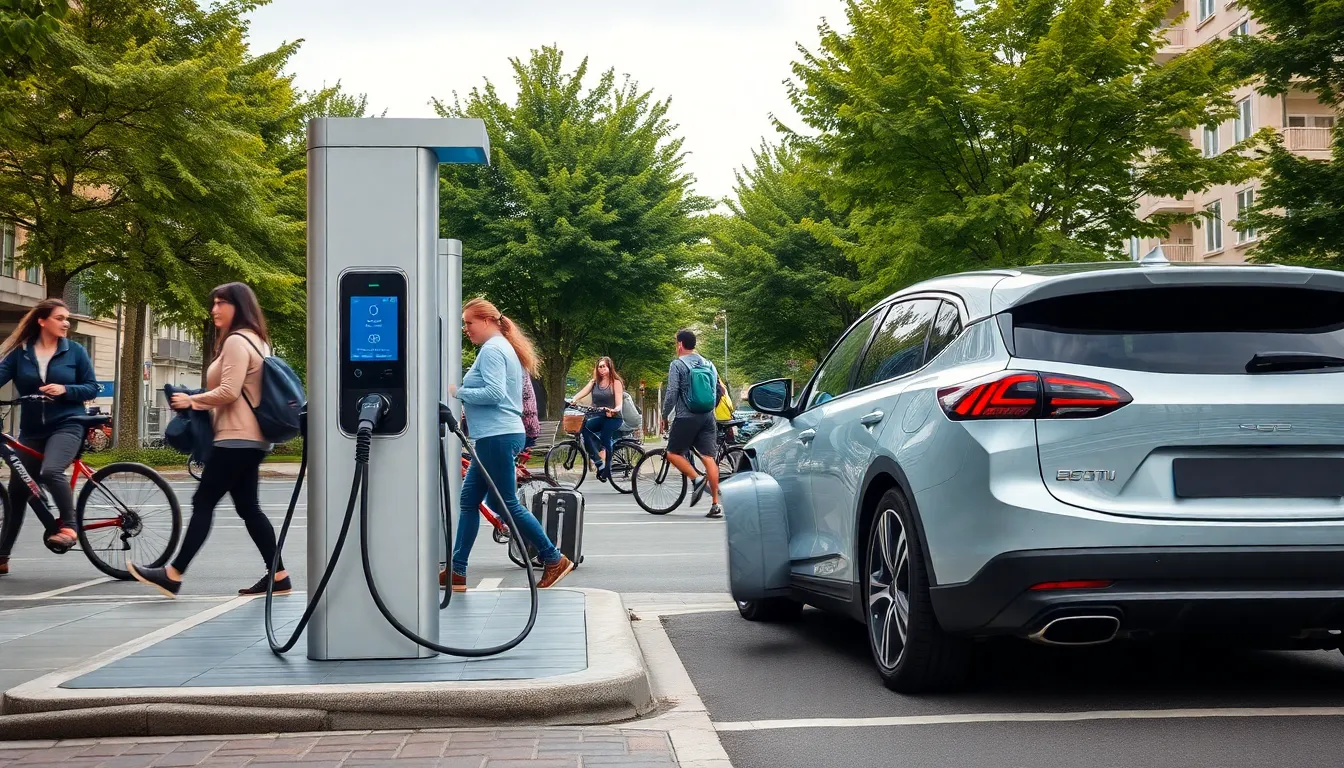
Renewable transport solutions encompass various technologies designed to reduce reliance on fossil fuels and minimize environmental impact. Key categories include electric vehicles and biofuels.
Electric Vehicles
Electric vehicles (EVs) operate on rechargeable batteries, producing zero tailpipe emissions and significantly lowering urban air pollution. In 2021, global sales for EVs surpassed 6.6 million units, demonstrating increasing consumer adoption and awareness. They support sustainability by being powered primarily by renewable energy sources. As the infrastructure for charging expands, EVs gain traction in both personal and public transport sectors. A robust network of charging stations enhances consumer convenience, further promoting the use of this eco-friendly alternative.
Biofuel Options
Biofuels are derived from organic materials and serve as replacements for traditional gasoline and diesel. These fuels require minimal modifications to existing engines, making them a practical choice for current transportation systems. The biofuel market is projected to grow at a compound annual growth rate (CAGR) of 3.4% from 2021 to 2028, indicating strong future demand. Various types of biofuels include biodiesel, produced from vegetable oils and animal fats, and ethanol, derived from plant starches and sugars. Each option presents opportunities for reducing greenhouse gas emissions and enhancing energy security.
Benefits of Renewable Transport Solutions
Renewable transport solutions offer multiple advantages that extend to environmental health and economic growth. By embracing these alternatives, cities can foster sustainable urban mobility and enhance quality of life.
Environmental Impact
Renewable transport solutions significantly reduce greenhouse gas emissions compared to traditional fossil fuel vehicles. Electric vehicles emit zero tailpipe emissions, contributing to improved air quality and lower urban pollution levels. Biofuels, derived from organic materials, can also lower overall carbon footprints while utilizing existing engine technologies. Hydrogen-powered transport further enhances sustainability, producing only water vapor as a byproduct. As these solutions gain traction, many cities report measurable reductions in air contaminants, leading to healthier communities.
Economic Advantages
Renewable transport solutions stimulate economic growth through job creation and innovation. Investment in electric vehicle infrastructure, such as charging stations, generates employment opportunities in multiple sectors, including manufacturing and technology. The biofuels industry also expands, supporting agricultural sectors and fostering energy independence. Governments often provide incentives that promote adoption, stimulating local economies. By shifting towards renewables, cities can reduce dependence on imported fuels, keeping more resources within local communities and enhancing economic stability.
Challenges and Limitations
Renewable transport solutions face several challenges and limitations that hinder their widespread adoption. Addressing these challenges is key to optimizing their effectiveness and ensuring a smoother transition to sustainable transport methods.
Infrastructure Requirements
Infrastructure development presents a significant challenge for renewable transport solutions. Electric vehicles require extensive charging networks to meet consumer demands, with over 1.5 million charging stations necessary to support projected EV growth in the coming years. Biofuels need compatible distribution systems; existing fuel infrastructures often lack the capability to handle alternative fuels efficiently. Hydrogen-powered transport relies on specialized refueling stations, which are currently limited in number and often concentrated in urban areas. Without substantial investments in these infrastructures, adoption rates may remain low, hampering efforts to reduce carbon emissions effectively.
Technological Barriers
Technological barriers also pose challenges for renewable transport solutions. Electric vehicle battery technology continues to advance, but issues like range anxiety and charging times persist. Current battery technologies may require over 30 minutes for a full charge, which may discourage potential users. Biofuels face production limitations as feedstock availability varies by region, affecting scalability. Hydrogen fuel cells, while promising, encounter challenges related to storage, transportation, and cost. Investing in research and development to overcome these technological hurdles is crucial for enhancing the feasibility and attractiveness of renewable transport options.
Future Trends in Renewable Transport Solutions
Emerging trends in renewable transport solutions focus on advancements in technology and supportive policies aimed at driving sustainable mobility. These developments play a crucial role in shaping a cleaner transport landscape.
Innovations in Technology
Innovations in technology are revolutionizing renewable transport solutions, enhancing efficiency and user experience. Battery advancements, such as solid-state technology, promise increased energy density and faster charging times for electric vehicles (EVs). Charging technology improvements, like ultra-fast chargers, significantly reduce wait times for EV users. Autonomous driving technology integrates with renewable solutions, allowing for optimized energy use and increased vehicle safety. Hydrogen production methods, including electrolysis powered by renewable energy, become more viable, reducing costs and increasing supply. Vehicle-to-grid technology allows EVs to support energy grids during peak demand, maximizing sustainability. Overall, continual technological innovations will expand the capabilities and acceptance of renewable transport solutions.
Policies and Regulations
Policies and regulations are essential for accelerating the shift to renewable transport solutions. Government incentives, such as tax credits and rebates for electric vehicle purchases, stimulate consumer adoption. Emission standards drive manufacturers to develop cleaner vehicles, promoting competition in sustainable transport innovation. Infrastructure investment policies focus on creating extensive networks of charging stations and hydrogen refueling stations, making renewable options more accessible. International agreements, like the Paris Agreement, encourage countries to outline clear goals for reducing greenhouse gas emissions, pushing for greener transport initiatives. By implementing comprehensive policies, governments play a pivotal role in fostering a robust ecosystem for renewable transport solutions.
The shift towards renewable transport solutions marks a significant step in addressing climate change and enhancing urban mobility. As cities and countries invest in electric vehicles biofuels and hydrogen-powered transport they pave the way for a sustainable future. The ongoing advancements in technology and infrastructure coupled with supportive government policies are crucial for overcoming existing challenges.
These innovations not only promise to reduce emissions but also stimulate economic growth by creating jobs and fostering energy independence. The transition to renewable transport is more than just a response to environmental concerns; it’s an opportunity to redefine how communities move and thrive. Embracing these solutions will ultimately lead to a cleaner healthier planet for future generations.