As the world faces the challenges of a growing population and climate change, smart farming technology emerges as a beacon of hope for sustainable agriculture. This innovative approach harnesses the power of data, automation, and connectivity to optimize farming practices, ensuring higher yields and reduced resource consumption.
Farmers are increasingly turning to tools like drones, sensors, and AI-driven analytics to make informed decisions that boost efficiency and productivity. By integrating these technologies into their operations, they not only enhance crop management but also contribute to environmental conservation. The future of agriculture is here, and it’s smarter than ever.
Overview of Smart Farming Technology
Smart farming technology encompasses a range of innovative tools and practices that enhance agricultural productivity and sustainability. This technology integrates advanced systems such as drones, sensors, and AI-driven analytics to automate processes and gather real-time data.
Key Components of Smart Farming Technology
- Drones: Drones assist in monitoring crop health, assessing soil conditions, and performing aerial surveys. They provide invaluable insights by capturing high-resolution images and mapping land, allowing farmers to make informed decisions.
- Sensors: Soil moisture sensors and climate sensors provide precise data on environmental conditions. These sensors enable farmers to optimize irrigation and reduce water waste by delivering exact amounts based on real-time needs.
- Precision Agriculture: Using GPS technology, precision agriculture allows for targeted planting and nutrient application. This approach minimizes resource waste and maximizes yield output.
- AI and Machine Learning: AI algorithms analyze data collected from various sources, identifying patterns and predicting outcomes. Machine learning tools help farmers forecast crop yields and mitigate risks caused by pests or diseases.
- Farm Management Software: This software streamlines farm operations by integrating data from multiple sources. It aids in planning, monitoring, and managing all aspects of farming, from planting to harvesting.
Benefits of Smart Farming Technology
- Increased Efficiency: Automating repetitive tasks saves time and labor costs, allowing farmers to focus on strategic decision-making.
- Enhanced Productivity: Tailored farming practices lead to higher yields and better quality crops, ensuring food security as demand increases.
- Sustainability: By optimizing resource usage, smart farming technology minimizes the environmental impact, promoting sustainable agriculture practices.
- Data-Driven Decisions: Access to accurate data empowers farmers to make timely and informed choices, reducing uncertainty in farming operations.
Smart farming technology transforms agriculture, addressing modern challenges while paving the way for a more efficient, productive, and sustainable industry.
Benefits of Smart Farming Technology
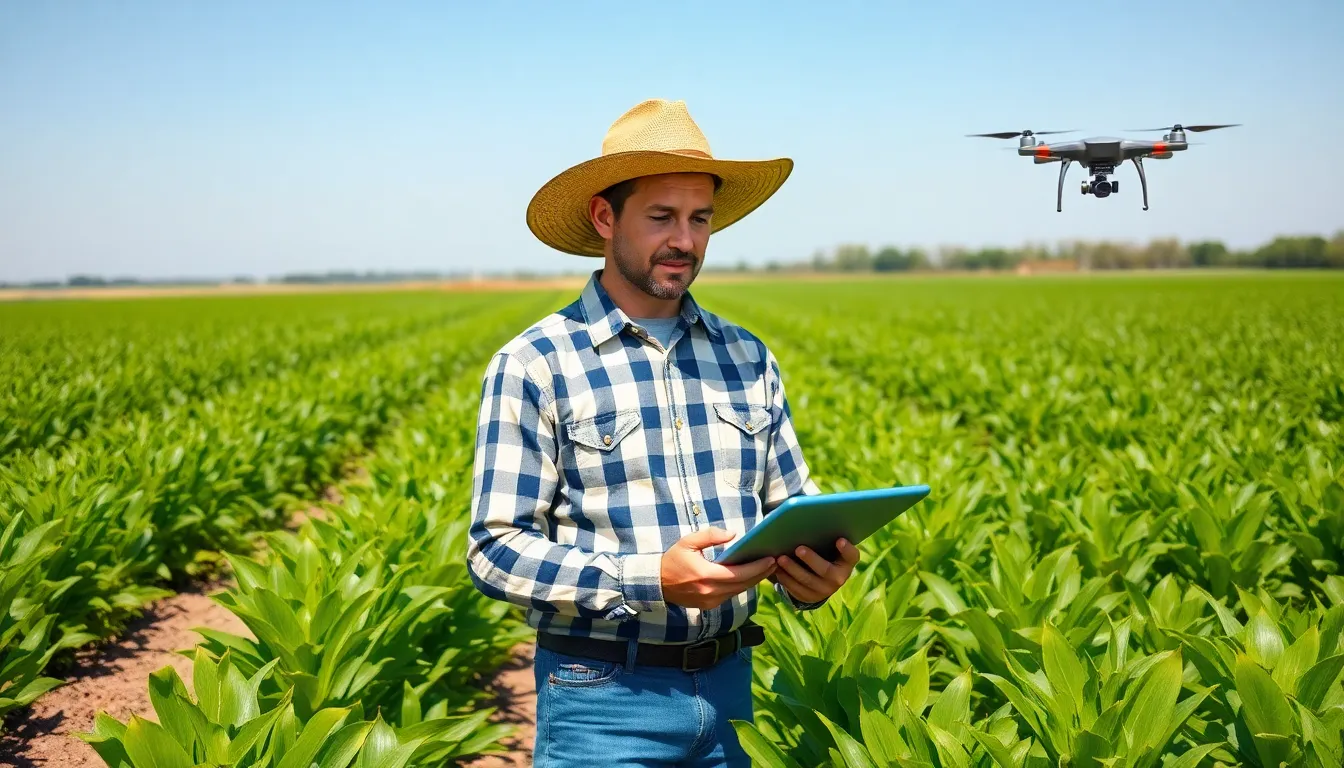
Smart farming technology offers numerous advantages that enhance agricultural practices. It streamlines operations and promotes sustainability while addressing the challenges faced by modern agriculture.
Increased Efficiency
Increased efficiency stems from automation and real-time data usage. Automated systems reduce manual labor, allowing farmers to allocate resources effectively. Technologies like drones and sensors provide immediate insights into crop health and soil conditions, enabling prompt interventions. Real-time monitoring of equipment and conditions optimizes resource utilization, lowers operational costs, and enhances decision-making speed.
Enhanced Crop Yields
Enhanced crop yields result from precision agriculture practices. Smart farming tools apply water, fertilizers, and pesticides based on specific crop needs, ensuring optimal growth conditions. Data analytics predict weather patterns and disease outbreaks, allowing proactive crop management. Consistent monitoring creates a tailored approach to farming, maximizing production potential and minimizing losses.
Key Components of Smart Farming Technology
Smart farming technology incorporates various advanced components that enhance operational efficiency and productivity. Key elements include IoT devices, drones, aerial imaging, and automated machinery.
IoT Devices
IoT devices connect various aspects of farm management, collecting and transmitting real-time data. Sensors monitor soil moisture, temperature, and nutrient levels, providing critical insights. This information allows farmers to make data-driven decisions, optimizing irrigation and fertilization schedules to maximize crop health and yield.
Drones and Aerial Imaging
Drones facilitate aerial imaging, enabling farmers to assess crop conditions from above. Equipped with multispectral cameras, drones capture high-resolution images that reveal information about plant health, pest infestations, and nutrient deficiencies. This aerial perspective aids in precise monitoring, improves decision-making, and enhances overall crop management.
Automated Machinery
Automated machinery streamlines farming operations through advanced robotics and mechanization. Tractors equipped with GPS and precision technology perform planting, cultivation, and harvesting with minimal human intervention. Automation reduces labor costs and increases efficiency, ensuring timely fieldwork and precise resource application tailored to specific crop needs.
Challenges in Implementing Smart Farming Technology
Implementing smart farming technology poses challenges that farmers must navigate. Key difficulties include cost implications and data management issues.
Cost Implications
High initial investment costs present a significant barrier to smart farming adoption. Farmers often face substantial expenses for purchasing advanced equipment, such as drones, sensors, and AI software. For example, a single agricultural drone can range from $1,000 to over $10,000, depending on its capabilities. Additionally, ongoing maintenance and training expenses can accumulate, straining budgets, especially for smaller farms. Limited access to financing or subsidies may hinder adoption further. Understanding these financial implications is crucial for farmers considering smart solutions.
Data Management Issues
Data management challenges can complicate the effective use of smart farming technologies. Farmers collect vast amounts of data from various sources, including IoT devices and drones, but managing and analyzing this data efficiently remains a hurdle. Data integration across multiple platforms can create silos, hindering accessibility and actionable insights. Ensuring data quality is essential, as inaccurate or incomplete data can lead to poor decision-making. Furthermore, protecting sensitive information against cyber security threats presents another concern, demanding robust data management practices to gain actionable intelligence and maintain data integrity.
Future Trends in Smart Farming Technology
Innovative advancements are shaping the future of smart farming technology. Two prominent trends include AI and machine learning integration, along with sustainable practices that enhance agricultural efficiency.
AI and Machine Learning Integration
AI and machine learning play crucial roles in transforming agricultural practices. Algorithms analyze data from various sources like drones, sensors, and farm management software, enabling predictive analytics for crop health and yield forecasting. AI-driven solutions enhance decision-making by identifying patterns in data, predicting pest outbreaks, and optimizing resource allocation based on real-time conditions. For example, machine learning models can suggest personalized nutrient applications for different crop segments, drastically improving yields while reducing waste.
Sustainable Practices
Sustainable practices are integral to the future of smart farming technology, ensuring long-term viability for farmers. Technologies that promote precision agriculture minimize negative environmental impacts. For instance, IoT devices monitor soil and weather conditions, allowing for targeted irrigation that conserves water. Moreover, data-driven applications support crop rotation and cover cropping, restoring nutrient balance in soils. These practices result in healthier ecosystems, reduced chemical usage, and ultimately contribute to enhanced food security.
Smart farming technology represents a pivotal shift in agriculture. By leveraging advanced tools like drones and AI-driven analytics, farmers are not only enhancing productivity but also embracing sustainability. This innovative approach addresses the pressing challenges of food security and environmental conservation.
As the industry continues to evolve, the integration of these technologies will likely become more seamless. Farmers who adapt to these changes stand to benefit significantly, improving their operations and contributing to a more sustainable future. Embracing smart farming is essential for those looking to thrive in an increasingly complex agricultural landscape.