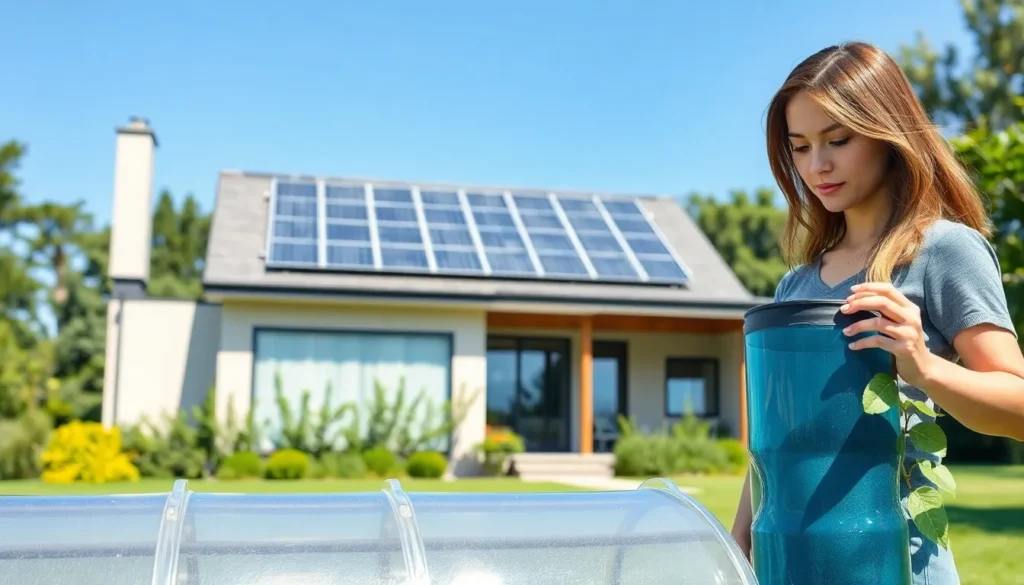
In a world where climate change feels like the ultimate villain, sustainable building technology swoops in like a superhero. It’s not just about saving the planet; it’s about creating spaces that are energy-efficient, environmentally friendly, and downright stylish. Imagine living in a home that not only looks good but also gives Mother Nature a high-five every time you flip a light switch.
Overview Of Sustainable Building Technology
Sustainable building technology focuses on reducing the environmental impact of construction practices. It encompasses various strategies aimed at optimizing resource use while enhancing energy efficiency. Renewable energy systems, such as solar panels and wind turbines, often play a crucial role in these designs.
Green materials serve to minimize ecological harm. Options include recycled steel, bamboo, and low-VOC (volatile organic compounds) paint, which contribute to healthier indoor air quality. In addition, advanced insulation techniques can significantly reduce energy consumption by maintaining desirable indoor temperatures.
Water management systems provide further advantages. Rainwater harvesting and greywater reuse strategies optimize water usage, addressing scarcity issues in many regions. Using permeable paving materials also aids in stormwater management, lowering runoff and reducing flooding risks.
Smart technology integrates seamlessly into sustainable buildings. Automated systems allow for real-time monitoring and control of energy use, ensuring efficient performance. These technologies can adjust heating, lighting, and cooling based on occupancy levels, further enhancing energy savings.
Building certifications, such as LEED (Leadership in Energy and Environmental Design) or BREEAM (Building Research Establishment Environmental Assessment Method), offer a framework for achieving sustainability. These programs evaluate a building’s performance in various categories, including energy usage, water efficiency, and material selection.
Cities increasingly embrace sustainable building technology as a solution to urban growth challenges. By implementing these strategies, communities can foster resilience against climate change and create healthier living environments for residents. The shift towards sustainable practices signifies a strong commitment to a more sustainable future.
Benefits Of Sustainable Building Technology
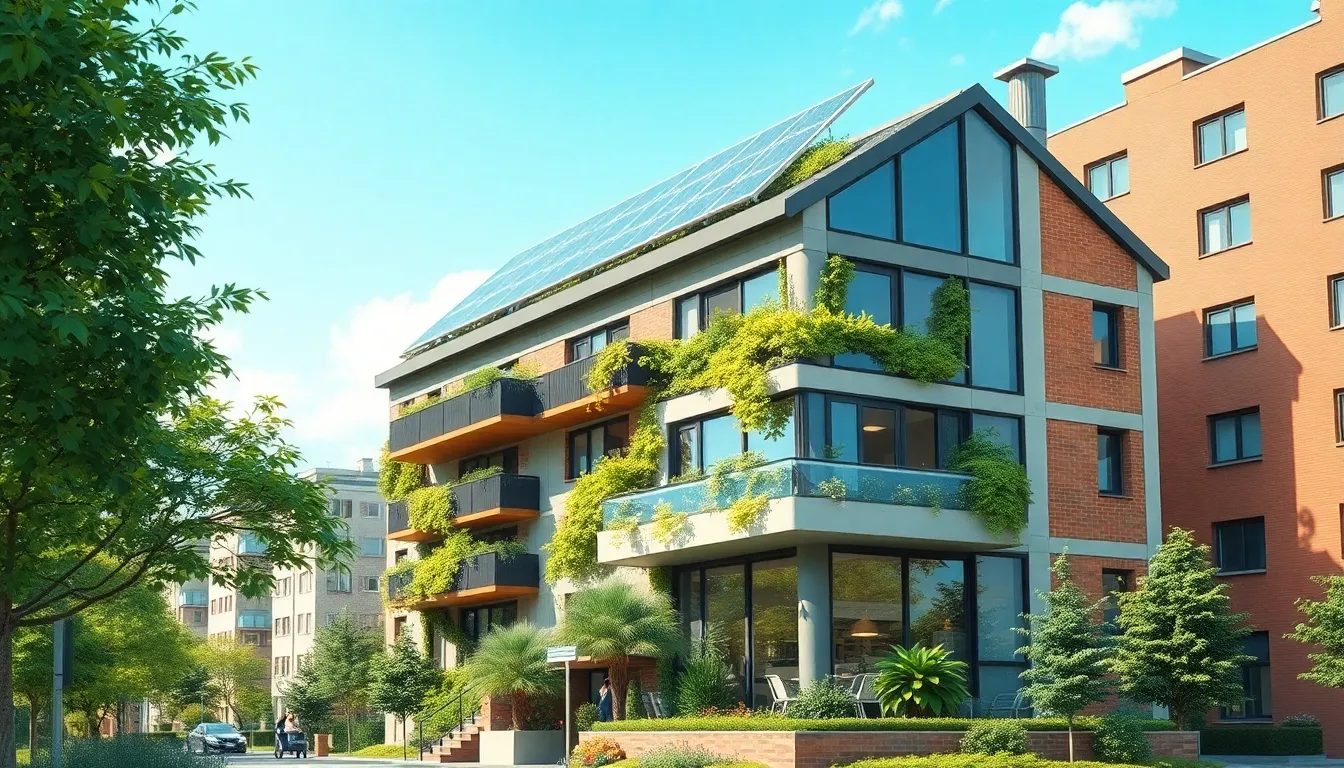
Sustainable building technology offers numerous advantages that enhance environmental quality and promote economic development.
Environmental Impact
Sustainable building practices significantly reduce carbon emissions. Energy efficiency lowers the overall demand for fossil fuels, which directly mitigates climate change effects. Utilizing renewable energy sources, like solar panels, decreases reliance on non-renewable resources. Green materials improve indoor air quality, offering healthier living spaces. Additionally, advanced insulation minimizes energy consumption, while rainwater harvesting systems address water scarcity effectively. Incorporating these strategies leads to a reduced ecological footprint for construction projects, emphasizing sustainability.
Economic Advantages
Investing in sustainable building technology leads to long-term cost savings. Lower energy bills result from increased energy efficiency in buildings, creating a more affordable living environment. Property values often rise for homes certified by LEED or BREEAM due to heightened demand for sustainable features. Local economies benefit as green construction creates jobs in emerging sectors. Tax incentives and rebates further enhance the financial appeal for developers and homeowners. Over time, these economic advantages significantly outweigh the initial investments, fostering a brighter financial future.
Key Components Of Sustainable Building Technology
Sustainable building technology encompasses several essential components that contribute to environmentally friendly construction practices.
Energy Efficiency
Energy efficiency remains a fundamental aspect of sustainable building technology. It integrates renewable energy systems, such as solar panels and wind turbines, into building designs. Advanced insulation techniques, including insulated concrete forms and reflective roofing materials, significantly reduce energy consumption. Smart technology allows for real-time monitoring of energy use, optimizing performance and minimizing waste. Incorporating energy-efficient appliances and lighting further decreases overall energy demand. The choice of geothermal heating and cooling systems provides additional benefits in reducing reliance on fossil fuels.
Water Conservation
Water conservation plays a crucial role in sustainable building practices. Implementing rainwater harvesting systems allows for the collection and reuse of rainwater for irrigation or non-potable purposes. Efficient fixtures, such as low-flow faucets and dual-flush toilets, reduce water waste significantly. Landscaping with drought-resistant plants minimizes irrigation requirements and maintains aesthetic appeal. Greywater recycling systems enable the use of recycled water for flushing toilets or watering gardens. Building designs that consider local climate factors enhance overall water management and sustainability.
Sustainable Materials
Sustainable materials support eco-friendly construction and design. Recycled steel and bamboo often replace traditional materials due to their lower environmental impact. Low-VOC paints and finishes improve indoor air quality while minimizing harmful emissions. Additionally, using sustainably sourced wood from certified forests helps preserve biodiversity. Notably, local materials reduce transportation emissions and support regional economies. Employing durable materials ensures longevity, minimizing the need for frequent replacements and promoting sustainability throughout the building’s lifecycle.
Innovations In Sustainable Building Technology
Numerous innovations enhance sustainable building technology, effectively reducing environmental impact. Smart materials, such as phase-changing materials, adjust temperature changes naturally, leading to decreased energy consumption. These materials absorb and release heat, promoting optimized energy use in buildings.
Next, renewable energy integration remains a key focus. Solar panels capture sunlight, converting it into electricity, while wind turbines harness wind energy to further reduce reliance on fossil fuels. Utilizing these systems lowers overall carbon emissions significantly.
Additionally, modular construction techniques revolutionize building processes. Prefabricated components reduce waste and construction time, contributing to more efficient resource management. Factories produce these materials under controlled conditions, ensuring consistent quality and minimizing environmental disruption.
Moreover, biophilic design integrates natural elements into architecture, improving indoor environments. Natural light, greenery, and water features enhance aesthetics and promote occupant well-being. These designs create inviting spaces and foster a stronger connection between occupants and nature.
Another prominent trend involves energy-efficient appliances and systems. Smart thermostats and LED lighting systems adapt energy use based on occupancy and preferences, further reducing energy waste. These technologies allow for real-time adjustments, leading to significant cost savings over time.
Water-efficient fixtures play an essential role in conservation efforts. Low-flow faucets and dual-flush toilets minimize water usage without sacrificing performance. Implementing these fixtures contributes to responsible water management, especially in areas facing scarcity.
Lastly, life-cycle assessment tools evaluate the sustainability of materials and processes. By analyzing environmental impacts across the entire lifespan, these tools guide developers toward more eco-friendly choices. Prioritizing such informed decisions drives the industry towards achieving sustainability goals effectively.
Challenges And Considerations
Sustainable building technology faces various challenges that impact its widespread adoption. High upfront costs often deter developers from implementing eco-friendly practices. These expenses include investments in renewable energy systems and advanced materials that benefit the environment long-term.
Limited awareness about sustainable options remains a significant barrier. Stakeholders in construction often lack knowledge about available technologies and their benefits. Education and training programs can address these gaps, equipping professionals with essential skills.
Regulatory hurdles complicate the integration of sustainable practices. Current building codes may not support innovative designs and technologies that enhance sustainability. Streamlining regulations can encourage more developers to embrace eco-friendly construction.
In addition, availability of sustainable materials can vary by region. Many areas may not have access to recycled options or low-VOC paints. Establishing reliable supply chains for ecological products fosters consistency in sustainable building practices.
Technical challenges also arise when implementing smart technologies. Compatibility issues between different systems can create inefficiencies. Ensuring seamless integration helps maximize energy and resource management.
Understanding the long-term benefits is crucial for stakeholders. Organizations may focus primarily on immediate costs, overlooking substantial savings on energy and maintenance expenses. Highlighting case studies that showcase financial advantages strengthens the case for sustainable construction.
Finally, ensuring occupant engagement poses a challenge. Residents must actively participate in energy conservation efforts for technologies to yield optimal results. Creating awareness campaigns can motivate occupants to adopt sustainable practices within their homes.
Sustainable building technology represents a vital shift towards a more eco-friendly future. By embracing innovative practices and materials, stakeholders can significantly reduce environmental impacts while enjoying economic benefits. The integration of smart technologies and renewable energy systems enhances energy efficiency and promotes healthier living spaces.
As cities continue to grow, adopting these technologies will be crucial in addressing urban challenges and fostering resilience against climate change. While obstacles remain, increased awareness and commitment to sustainable practices can pave the way for a greener built environment. Ultimately, the journey towards sustainability in construction not only benefits the planet but also enriches the lives of its inhabitants.