Table of Contents
ToggleIn a world where the only thing more abundant than social media influencers is the demand for sustainable practices, farming technology is stepping up to the plate—or should we say, the field? Gone are the days of guessing how much water to sprinkle on crops like a chef seasoning a dish. Today’s farmers are armed with cutting-edge tools that not only help them grow healthier food but also keep Mother Nature smiling.
Overview of Sustainable Farming Technology
Sustainable farming technology encompasses a range of innovations designed to enhance agricultural practices while preserving environmental integrity. Precision agriculture utilizes data analytics to optimize input usage, ensuring crops receive the right amount of water and nutrients. Sensor technology plays a vital role by monitoring soil health, moisture levels, and crop conditions in real time.
Drones provide aerial imagery that helps farmers assess crop health and identify issues early. Artificial intelligence supports decision-making processes, allowing for predictive analysis that improves yield forecasts. Renewable energy sources, such as solar and wind, power many operations, reducing dependency on fossil fuels.
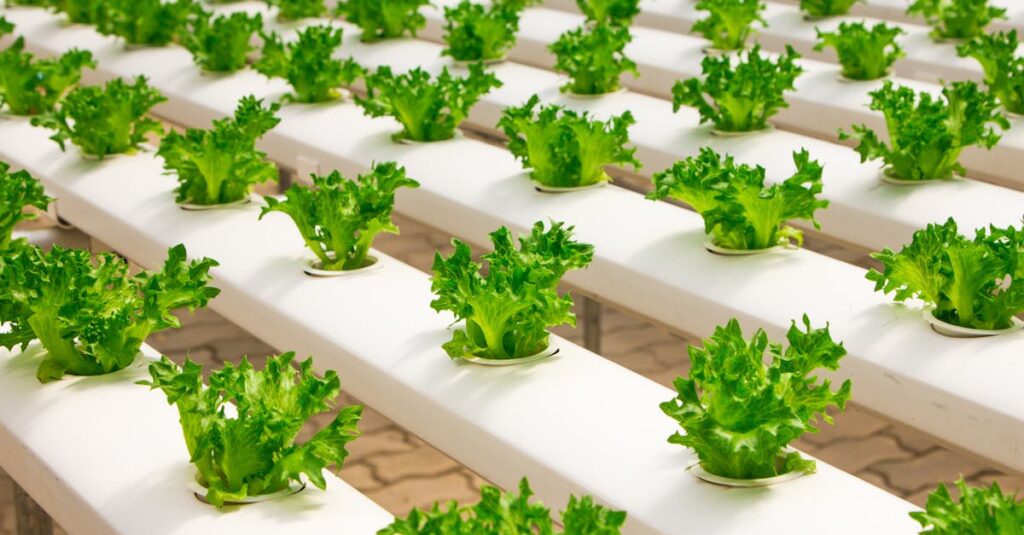
Vertical farming and hydroponics offer space-efficient methods to grow food in urban settings. These techniques minimize land usage and decrease water consumption significantly. Integrated pest management combines biological and technological methods to control pest populations sustainably.
Biotechnology contributes by developing crop varieties that resist diseases and environmental stresses. This technology presents opportunities to increase food security while reducing chemical usage. Crop rotation and cover cropping enhance soil fertility and biodiversity, leading to more resilient farming systems.
Utilizing sustainable farming technology leads to higher productivity and lowers environmental impact. Farmers gain tools for better resource management and the ability to adapt to climate change. As technology evolves, its role in sustainable farming continues to expand, paving the way for future agricultural practices.
Key Innovations in Sustainable Farming
Sustainable farming thrives on technological advancements that enhance environmental stewardship and resource efficiency.
Precision Agriculture
Precision agriculture employs real-time data to optimize farming practices. Farmers utilize GPS and remote sensing technology for accurate field mapping. Soil health gets monitored using sensors that assess moisture and nutrient levels. This data-driven approach enables targeted interventions, reducing waste and improving yields. By minimizing chemical usage, farmers enhance sustainability while maintaining productivity. Varied crops benefit from tailored applications rather than generic treatments. Ultimately, precision agriculture fosters a more responsible approach to resource management, aligning agricultural practices with sustainability goals.
Vertical Farming
Vertical farming transforms traditional agricultural methods through innovative growing techniques. Utilizing vertical space, these systems maximize crop output in urban environments. Hydroponics and aeroponics facilitate soil-less growth, offering efficient water use. Controlled environments optimize light, temperature, and humidity conditions, promoting faster plant growth. Reduced distance to markets lowers transportation emissions and enhances freshness. Vertical farming addresses food security challenges, particularly in densely populated regions. By implementing this method, farmers can produce food year-round, irrespective of external weather conditions. This innovation represents a significant step towards sustainable food production in urban landscapes.
Benefits of Sustainable Farming Technology
Sustainable farming technology offers numerous advantages, ensuring a harmonious interaction between agricultural practices and environmental sustainability. It significantly enhances resource efficiency while promoting economic benefits for farmers.
Environmental Impact
Environmental sustainability improves through reduced chemical application. Chemical runoff decreases, which protects local water sources and ecosystems. Soil health benefits from practices like crop rotation and cover cropping, enhancing biodiversity. Reduced greenhouse gas emissions result from optimized energy use and increased reliance on renewable energy sources. Technologies such as precision agriculture support targeted planting and watering, minimizing resource waste. Sustainable practices also contribute to carbon sequestration, supporting climate change mitigation efforts.
Economic Viability
Economic advantages play a crucial role in sustainable farming technology implementation. Increased crop yields directly correlate with efficient resource management. Financial savings stem from reduced input costs, such as water and fertilizers, improving overall profitability. Access to real-time data allows farmers to make informed decisions, reducing risks associated with crop failure. Investment in sustainable technology may initially require capital, but long-term savings outweigh initial expenses. Farmers adopting these technologies often benefit from gaining market access due to consumer demand for sustainably produced goods.
Challenges and Considerations
Sustainable farming technology comes with several challenges and considerations that farmers must navigate. Understanding these factors helps in making informed decisions about implementation.
Initial Investment Costs
Initial investment costs pose a significant hurdle for many farmers. Adopting new technologies often requires substantial financial outlay, which can strain budgets. For example, precision agriculture systems and advanced equipment like drones can range from $15,000 to $100,000. Investing in renewable energy solutions also incurs costs, although long-term savings can offset these expenses. Limited access to financing options can further complicate the decision-making process. Farmers may require access to grants or loans to support their transition. Planning for these costs is essential to ensure sustainable farming technology is viable for the operational budget.
Technology Adoption Barriers
Technology adoption barriers hinder many farmers from embracing sustainable practices. Lack of technical knowledge frequently prevents them from utilizing advanced systems effectively. Additionally, older generations may resist adopting new technologies due to unfamiliarity. Connectivity issues, particularly in rural areas, limit the performance of many technological solutions. Training programs and workshops can help mitigate these barriers, facilitating smoother transitions. External support from agricultural organizations can also bridge the knowledge gap. These efforts enhance farmers’ comfort and confidence in integrating sustainable farming technologies into traditional practices.
Future Trends in Sustainable Farming Technology
Advancements in automation and robotics are reshaping sustainable farming practices. Robots equipped with cameras and sensors monitor crops for early problem detection and automated harvesting. Data analytics tools play a crucial role in managing resources effectively. These tools analyze soil health, weather patterns, and crop performance, enabling farmers to make data-driven decisions.
Artificial intelligence continues to revolutionize precision agriculture. Farmers leverage machine learning to predict yields and optimize planting schedules. Drones enhance aerial surveillance and facilitate targeted interventions, reducing input waste while maximizing yields.
Integration of renewable energy sources promotes sustainable practices further. Solar panels and wind turbines power agricultural operations, minimizing reliance on fossil fuels. Battery storage systems enhance energy efficiency, ensuring farms operate sustainably even during adverse weather conditions.
As urban populations grow, vertical farming technologies will gain importance. Indoor farms utilize controlled environments, allowing year-round production regardless of external conditions. Hydroponics also offers efficient use of water and space, showcasing innovative approaches to food production.
Blockchain technology introduces transparency and traceability in supply chains. Farmers can track produce from field to consumer, enhancing food safety and building consumer trust. Moreover, regenerative agriculture practices emphasize soil health, increasing organic matter and restoring biodiversity.
Collaborative solutions emerge through partnerships between tech companies and farmers. These collaborations foster innovation and ensure that solutions address real-world challenges. Training programs focused on digital literacy will become essential, empowering farmers to utilize new technologies effectively.
Continuous development in sustainable farming technologies reflects global commitments to environmental stewardship and food security. The future promises enhanced productivity and ecological balance, equipping farmers with tools necessary for sustainable growth.
Sustainable farming technology stands at the forefront of modern agriculture, offering innovative solutions that enhance productivity while safeguarding the environment. As farmers embrace advancements like precision agriculture and vertical farming, they not only address food security but also reduce their ecological footprint.
The integration of AI and renewable energy sources further strengthens the case for sustainability, promising long-term benefits despite initial investment challenges. By fostering collaboration between tech companies and farmers, the agricultural sector can navigate these hurdles, ensuring a resilient future.
Ultimately, the commitment to sustainable practices is crucial for achieving a balance between increased food production and environmental preservation, paving the way for a healthier planet.