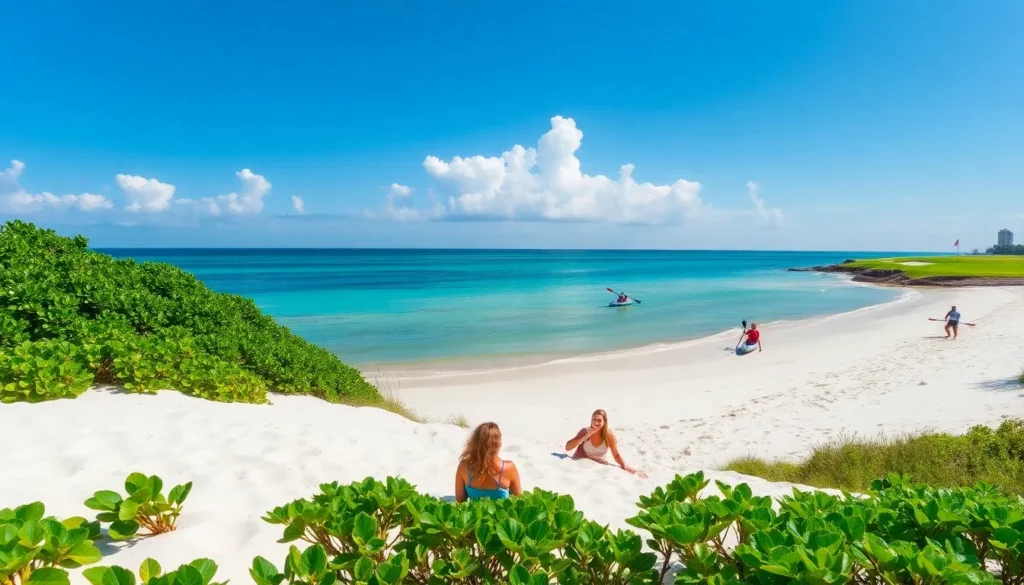
Hilton Head Island isn’t just a slice of paradise; it’s a hot topic of conversation. With its stunning beaches, world-class golf courses, and a vibe that screams relaxation, one can’t help but wonder: who actually owns this gem? Is it a secret society of beach lovers? A group of golf enthusiasts? Or perhaps it’s just a quirky collection of turtles enjoying their beachfront property?
Overview of Hilton Head Island
Hilton Head Island boasts stunning beaches and lush landscapes, attracting millions of visitors annually. Known for its luxurious resorts and tranquil environment, the island offers a variety of recreational activities. Golf courses pepper the area, providing a challenge to players of all skill levels. Its waterways support numerous outdoor adventures, like kayaking and fishing.
The island spans approximately 42 square miles, with a population exceeding 40,000 residents. Many call it home, while others enjoy it as a vacation spot. Development began in the 1950s, expanding the island’s appeal. Over the years, it’s become a hub for real estate investment and tourism.
Ownership on Hilton Head takes several forms, including private residences, vacation rentals, and hotel properties. The local government plays a crucial role in maintaining public spaces and managing growth. Properties abound, with homeowners and businesses dedicated to preserving the island’s natural beauty.
Community associations govern many areas, fostering a sense of belonging among residents. Zoning laws protect the ecosystem, ensuring the continuation of the island’s charm. Local initiatives promote sustainability and environmental conservation, attracting eco-conscious visitors.
Hilton Head Island thrives not only on tourism, but also on preserving its unique character and charm. It’s a blend of private ownership and collective responsibility that sustains its allure.
Historical Background
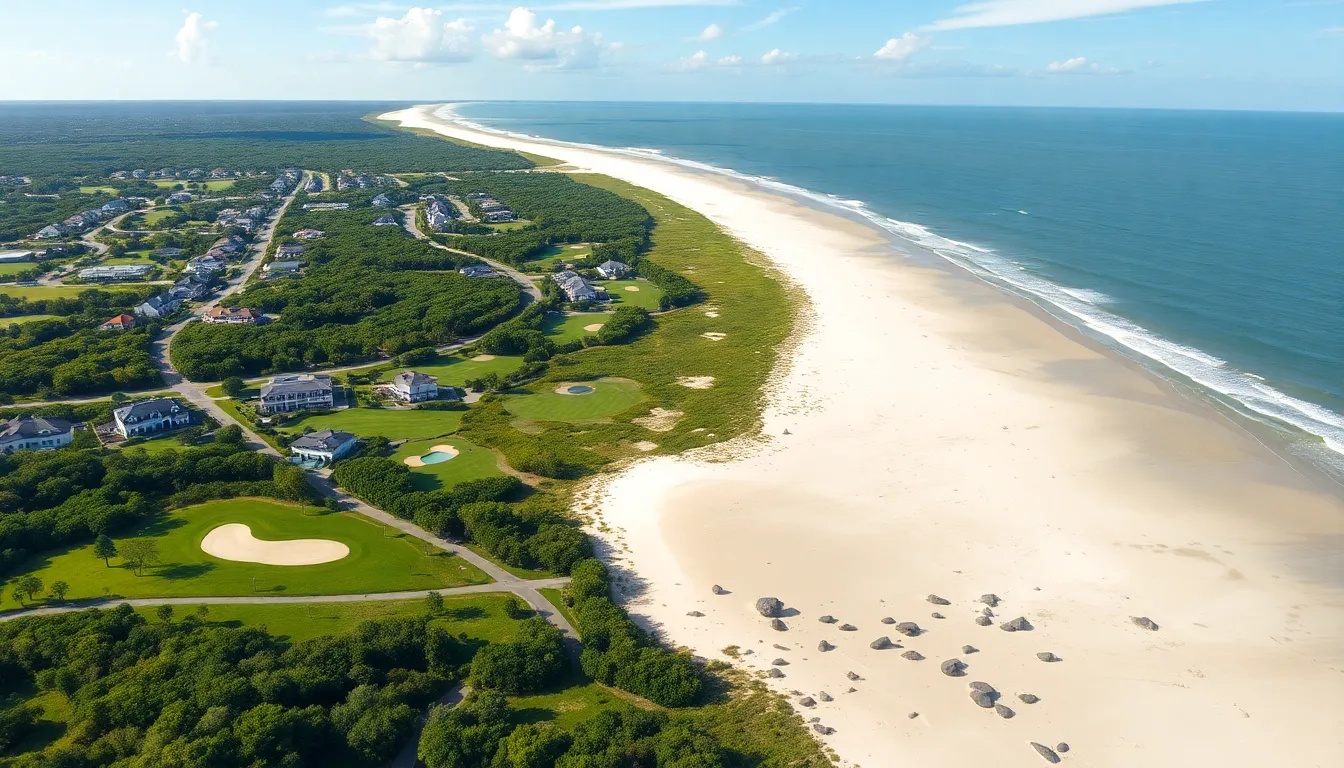
Hilton Head Island has a rich history shaped by early inhabitants and significant development over time. This background provides context for current ownership and the island’s character.
Early Settlement
The island’s earliest known settlers included Native American tribes such as the Yemassee. They relied on the land and sea for sustenance, engaging in fishing and agriculture. European explorers arrived in the 16th century, marking the beginning of substantial change. The island transitioned through periods of Spanish and English colonial influence. By the 18th century, its strategic location attracted planters, leading to the establishment of rice and indigo plantations. These developments significantly altered the island’s landscape and demographics.
Development and Growth
The mid-20th century marked a turning point for Hilton Head Island. In the 1950s, a visionary developer recognized its potential and began transforming it into a resort destination. Rapid construction of resorts and golf courses followed, catering to visitors and homeowners alike. The island’s population grew, surpassing 40,000 residents. Sustainable development practices emerged to protect natural beauty, balancing tourism and local needs. Today, Hilton Head Island thrives as a popular vacation spot, characterized by its upscale amenities and commitment to environmental stewardship.
Current Ownership Structure
Hilton Head Island features a diverse ownership landscape that balances public and private interests. Ownership includes private residences, vacation rentals, and commercial properties, alongside publicly accessible spaces.
Public vs. Private Ownership
Public ownership primarily encompasses parks, beaches, and recreational areas, which offer residents and visitors enjoyment and access to nature. These spaces are maintained by the local government, ensuring they remain accessible. In contrast, private ownership represents the majority of the island’s land, where homeowners and investors control properties. This private sector drives the economy through real estate and tourism, maintaining the island’s attractiveness and character.
Key Stakeholders
Various stakeholders influence Hilton Head Island’s ownership and management. Individual property owners, both permanent residents and part-time vacationers, play significant roles in shaping the community. Local businesses thrive from tourism, with hotels, restaurants, and retail shops contributing to the economic landscape. Additionally, organizations such as the Hilton Head Island Chamber of Commerce advocate for business interests while fostering community growth. The local government is essential in managing land use and development, balancing private initiatives and public interests to preserve the island’s charm.
Impact of Ownership on the Community
Ownership directly influences the community dynamics of Hilton Head Island, affecting both the economy and the environment.
Economic Implications
Real estate development drives the economy of Hilton Head Island, fostering job creation in hospitality, retail, and services. Property owners and investors contribute significantly to local revenues through property taxes and tourism-related expenditures. A thriving vacation rental market attracts tourists, generating income for homeowners and local businesses. Visitors seeking upscale amenities support a variety of restaurants and shops, further enhancing economic vitality. The collaboration between local government and stakeholders helps sustain this momentum, ensuring stability and growth within the community.
Environmental Considerations
Environmental stewardship is a priority for Hilton Head Island’s owners and the local government. Policies aim to protect the island’s unique ecosystems while allowing responsible development. Private property owners engage in conservation efforts, promoting sustainability in real estate practices. The presence of community associations fosters awareness and participation among residents regarding environmental initiatives. Preservation of beaches and parks relies on balanced land use policies that support both tourism and ecological integrity. Public access to natural spaces enhances the community’s quality of life, blending economic interests with ecological responsibility.
Future of Hilton Head Island Ownership
Hilton Head Island’s ownership landscape is poised for evolution. Developers remain interested in expanding vacation rentals, which continues driving real estate investment. As more people seek ownership opportunities, competition may increase among buyers. Local government policies will likely influence development practices, ensuring they align with community values.
Changes may enhance environmental protections, promoting sustainability amidst growth. Community associations will play a vital role in advocating for responsible development, balancing economic ambitions with ecological awareness. New initiatives could emerge aimed at preserving the island’s natural beauty while accommodating growing tourism demands.
Investment in infrastructure, such as roads and utilities, will also impact ownership dynamics. Improved access may attract more tourists and potential property owners, benefiting local businesses. Maintaining public spaces will remain a priority, as accessibility draws visitors, fostering a vibrant community atmosphere.
The Hilton Head Island Chamber of Commerce will continue advocating for balanced growth, hearing the voices of stakeholders. Future collaborations among property owners, local businesses, and government entities will strengthen community ties. Emphasis on public-private partnerships may create innovative solutions for sustainable development.
As eco-conscious travelers prioritize destinations with environmental stewardship, Hilton Head Island’s reputation will help maintain its appeal. Embracing eco-friendly practices can enhance property values and attract new investors. Over time, ownership trends will adapt to reflect changing demographics and preferences, shaping the island’s landscape for generations to come.
Hilton Head Island thrives as a unique blend of private ownership and public stewardship. This balance allows it to maintain its charm while catering to millions of visitors each year. The community’s commitment to sustainability and environmental preservation ensures that the island remains a desirable destination for generations to come.
As ownership dynamics evolve, the collaboration between local government, property owners, and community associations will be crucial in shaping the future. This synergy not only supports economic growth but also protects the island’s natural beauty. Hilton Head Island’s enduring appeal lies in its ability to adapt while staying true to its roots, making it a treasured spot for both residents and visitors alike.